Relocating from the Netherlands to Portugal
Moving from the Netherlands to Portugal can involve different legal, administrative, financial, and practical considerations depending on individual circumstances. Dutch citizens benefit from EU free movement rights, while the practical aspects of residence can involve Portuguese registration, tax identification, healthcare access, housing, banking, employment, and taxation.
Portugal offers a range of urban, coastal, island, and inland locations with significant differences in climate, housing, transport, healthcare, education, employment, and access to services.
The Netherlands and Portugal are both EU Member States, but their administrative, healthcare, housing, education, and taxation systems operate differently. These differences can remain relevant even where no Portuguese residence visa is required.
For broader context on regions, administration, and daily life, see the main Moving to Portugal overview.
Connect With a Portugal-Based Specialist
Investment
NEXT STEP
Connect With a Portugal-Based Specialist
Residency
Visas & Permits
Taxation
Personal & Cross-Border
Property
Purchase & Investment
Relocation
Planning &
Settling In
Portugal Vista may connect readers with trusted independent professionals.
Looking for Guidance?
Table of Contents
Why Dutch Residents Consider Portugal
Climate and Geography
Portugal has substantial regional differences in climate, geography, population density, and proximity to the Atlantic coast. These characteristics may be relevant when comparing locations for long-term residence.
Urban areas, coastal regions, islands, and inland locations offer different combinations of housing, transport, public spaces, healthcare, education, and access to year-round services.
Remote Work and European Access
Portugal may be considered in connection with remote employment, independent professional activity, business, family circumstances, or other forms of long-term residence within the EU.
Where employment, clients, income, social security, or other economic connections remain linked to the Netherlands, Portuguese, Dutch, EU, and applicable treaty rules may become relevant.
Housing and Regional Differences
Housing conditions and costs vary considerably across Portugal. Lisbon, Cascais, parts of Porto, some Algarve locations, and other areas with strong demand can have substantially different rental and purchase markets from smaller cities and inland regions.
A meaningful comparison with the Netherlands therefore depends on the specific locations and properties being considered rather than on a country-wide housing assumption.
Administrative Context
Portugal and the Netherlands organise public administration differently. Portuguese procedures can involve national authorities, municipalities, digital platforms, electronic documents, in-person appointments, and different documentation requirements depending on the procedure.
Appointment availability, communication channels, documentation requirements, and processing times may vary between authorities, municipalities, and individual procedures.
Life in Portugal Compared with the Netherlands
Administration and Public Services
Administrative systems and procedures differ between the Netherlands and Portugal. In Portugal, responsibilities may be divided between national authorities, municipalities, and other public bodies depending on the subject and procedure.
Administrative procedures may involve digital platforms, electronic documents, in-person appointments, and different documentation requirements depending on the authority and procedure. Appointment availability, communication channels, and processing times may vary.
Language and Communication
Portuguese is the principal language of public administration and most everyday services in Portugal.
Other languages may be used in particular professional, educational, tourism, or international contexts, but Portuguese can remain relevant in healthcare, education, municipal administration, housing, employment, and everyday interactions.
Cycling, Transport, and Mobility
Transport patterns differ considerably between Portugal and the Netherlands. Cycling infrastructure is available in a number of Portuguese cities and coastal areas, while its role in everyday mobility varies substantially by location.
Lisbon and Porto have extensive public transport networks, while mobility in smaller cities, coastal areas, islands, and inland regions may depend more heavily on road connections or private transport.
Housing Comfort and Energy Use
Housing characteristics vary substantially between Portuguese properties according to location, construction period, design, renovation history, and property type.
Insulation, heating, cooling where relevant, glazing, ventilation, moisture management, sound insulation, sun exposure, and energy efficiency can vary considerably between properties.
Residency and Legal Status for Dutch Citizens
EU Freedom of Movement
Dutch citizens benefit from EU free movement rights and can live, work, study, or retire in Portugal subject to the applicable EU and Portuguese rules.
A Portuguese residence visa is not normally required for Dutch citizens exercising these rights. Residence extending beyond three months is generally subject to the relevant registration framework.
Residence Registration and the CRUE
In Portugal, the Certificado de Registo de Cidadão da União Europeia, commonly known as the CRUE, is the registration certificate associated with residence by EU citizens for periods exceeding three months, subject to the applicable conditions.
Administrative arrangements can vary locally. Appointment systems, communication channels, documentation requirements, and processing practices may differ between municipalities and procedures.
NIF and Portuguese Administration
A Portuguese tax identification number, known as the NIF, may be necessary or frequently requested in tax, banking, property, rental, employment, and other administrative contexts, depending on the specific transaction or procedure.
For more detail, see how the NIF process works in Portugal and when a NIF may be required.
Long-Term Residence
Under the applicable EU framework, permanent residence rights may arise after five years of continuous legal residence in Portugal, subject to the relevant conditions and rules.
Portuguese nationality is a separate legal matter from permanent residence and is governed by its own statutory requirements, procedures, and eligibility conditions.
Residence, tax, healthcare, and administrative requirements can vary depending on personal circumstances, the relevant authority, and applicable rules. This page provides general informational context only.
Important Areas in a Relocation from the Netherlands
Dutch Administrative and Financial Connections
A move from the Netherlands can affect matters such as residence records, taxation, healthcare coverage, employment, pensions, insurance, education, vehicles, banking, property, and official correspondence.
Where employment, pensions, benefits, investments, property, business interests, or other connections remain linked to the Netherlands, those links may continue to be relevant after residence in Portugal begins.
Portuguese Administrative Context
Residence in Portugal can involve several separate administrative areas, including residence status, tax identification, healthcare, banking where relevant, utilities, employment records, and other local or national records.
The requirements and timing associated with each area depend on the relevant procedure, authority, residence status, and individual circumstances.
Long-Term Settlement Considerations
Factors that may become particularly relevant for long-term residence include housing characteristics, healthcare availability, education, transport, employment, taxation, language, and access to year-round services.
The suitability of a particular location therefore depends on the circumstances of the household and the characteristics of the specific region.
Places Dutch Residents May Consider in Portugal
Lisbon and Surrounding Areas
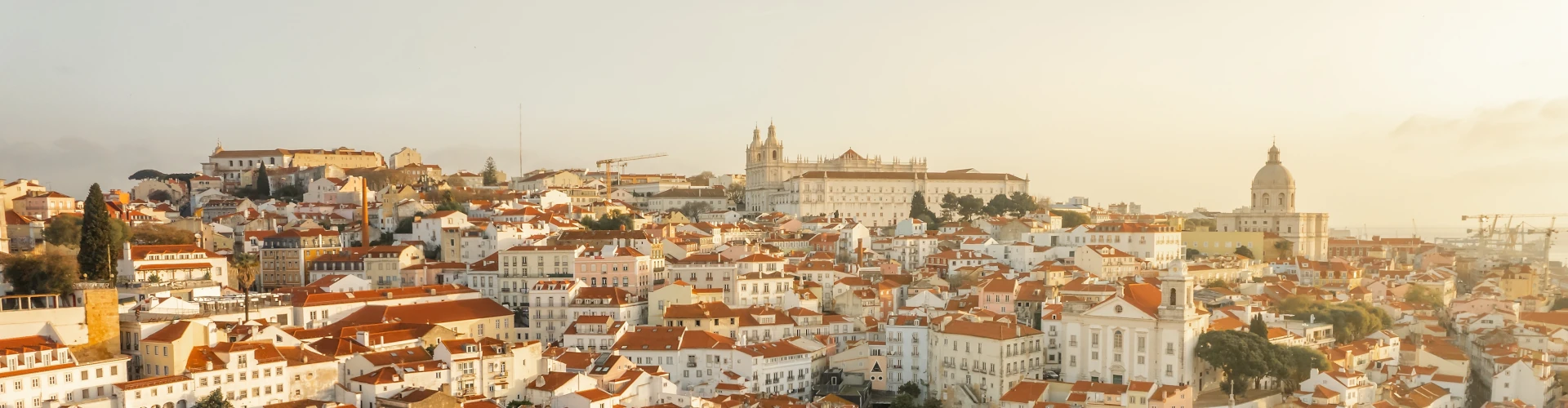
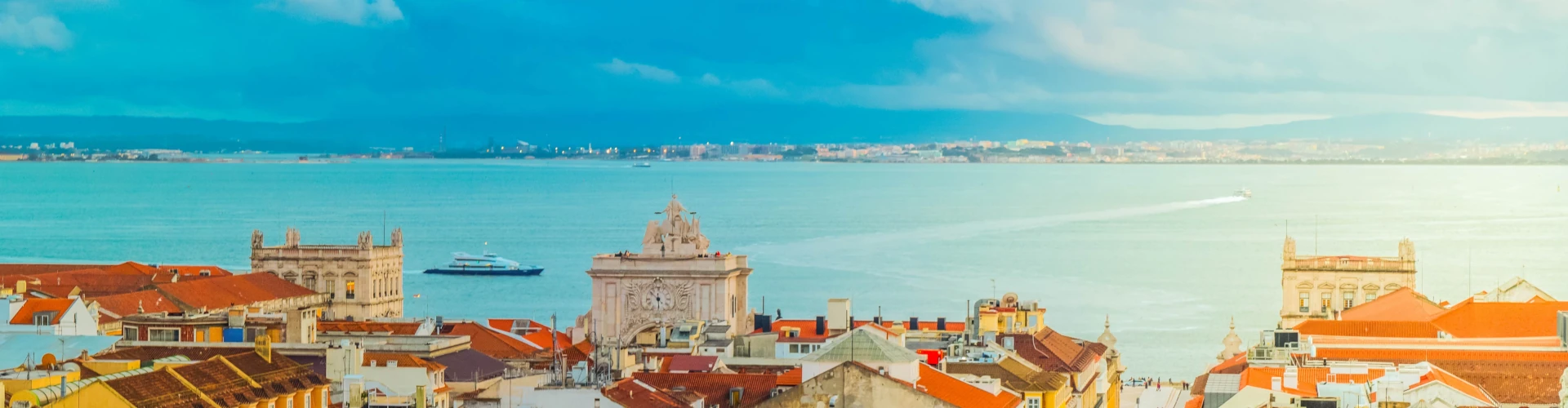
Lisbon, Cascais, Oeiras, and surrounding areas provide access to major transport connections, healthcare facilities, schools, universities, professional services, cultural facilities, and Lisbon Airport.
Housing costs and availability vary considerably across the metropolitan area. For buyers comparing the capital, see the page on the property market in Lisbon.
Porto and Northern Portugal
Porto provides an urban environment with an international airport, universities, healthcare facilities, public transport, cultural institutions, and access to northern Portugal and the Atlantic coast.
Braga, Guimarães, Matosinhos, Vila Nova de Gaia, and other northern locations differ substantially in housing, transport, employment access, and local services. Property-related context is available on the page about buying property in Porto.
The Algarve
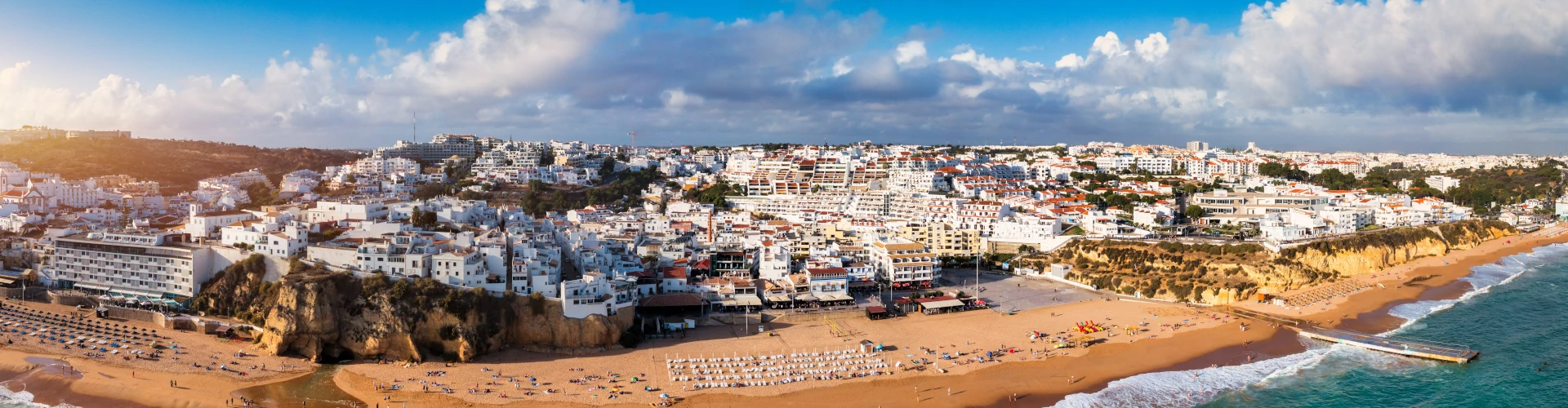
The Algarve combines coastal and inland locations with significant differences in housing, population density, transport, healthcare access, seasonal activity, and year-round services.
Faro Airport provides international connections, while conditions and infrastructure vary across the region. More detail is available on the page about housing in the Algarve.
Central Portugal and Smaller Cities
Central Portugal, Coimbra, Aveiro, Tomar, Évora, and parts of the Alentejo provide alternatives to the largest metropolitan and coastal areas.
Housing, healthcare, education, transport, climate, connectivity, and availability of year-round services vary significantly between these locations.
Madeira and the Islands
Madeira and the Azores offer different geographic, climatic, transport, housing, and service environments from mainland Portugal.
Island residence can involve additional considerations relating to flights, healthcare access, transport, housing supply, employment, and connections with mainland Portugal or other countries.
Housing and Property in Portugal
Renting in Portugal
Long-term rental arrangements in Portugal are generally governed by written tenancy agreements and Portuguese rental and tax rules.
Documentation requested by landlords or intermediaries can vary depending on the property and transaction and may include identification, financial information, a NIF, deposits, or other supporting documents.
Buying a Home
Dutch citizens can generally acquire property in Portugal without nationality-based restrictions applicable specifically to Dutch citizens. Property ownership and residence rights are separate legal matters.
Property transactions can involve matters such as legal title, licensing, condominium obligations, planning rules, taxation, financing, and the physical condition of the property. For a broader overview, see the page on buying a house in Portugal.
Housing Characteristics and Year-Round Comfort
Building characteristics vary substantially across Portugal according to factors such as location, construction period, design, renovation history, and property type.
Insulation, heating, cooling where relevant, glazing, ventilation, moisture management, sound insulation, sun exposure, and energy efficiency can vary considerably between properties.
Cost of Living: Portugal and the Netherlands
Cost-of-living comparisons between Portugal and the Netherlands depend on the specific cities or regions being compared and on the circumstances of the household. Country-wide comparisons can obscure substantial differences within both countries.
Relevant factors can include housing, household size, healthcare, education, transport, energy, travel, insurance, taxation, and consumption habits.
Housing in particular varies considerably between Portuguese regions and between different property types and standards. Similar differences can arise in schooling, healthcare, transport, and other major household expenses.
Cost comparisons are therefore most meaningful when based on specific locations, household circumstances, and current expenditure rather than general country-level assumptions.
Healthcare and Social Security
Public Healthcare Access
Portugal’s public healthcare system is the SNS (Serviço Nacional de Saúde).
Access to the Portuguese public healthcare system and registration with the SNS depend on the individual’s situation, eligibility, and the documentation required under the applicable rules. EU healthcare and social security coordination rules may also be relevant in cross-border situations.
Temporary Healthcare and the EHIC
The European Health Insurance Card may provide access to medically necessary state-provided healthcare during eligible temporary stays, subject to the rules and conditions of the EHIC framework.
Temporary healthcare arrangements and healthcare rights connected with residence are distinct matters and depend on the individual’s circumstances and the applicable coordination rules.
Private Healthcare
Private healthcare is also available in Portugal and can complement the public system.
The availability of private hospitals, clinics, specialists, insurance products, and healthcare plans varies by location and provider. Insurance coverage and conditions can depend on factors such as age, medical history, exclusions, waiting periods, annual limits, and provider networks.
Social Security Coordination
EU social security coordination rules can be relevant where professional activity, contribution histories, pensions, or other social security rights involve both the Netherlands and Portugal.
The applicable position depends on circumstances such as residence, employment, self-employment, posting arrangements, pension status, and whether professional activity continues across borders.
Connect With a Portugal-Based Specialist
Investment
NEXT STEP
Connect With a Portugal-Based Specialist
Residency
Visas & Permits
Taxation
Personal & Cross-Border
Property
Purchase & Investment
Relocation
Planning &
Settling In
Portugal Vista may connect readers with trusted independent professionals.
Looking for Guidance?
Education and Family Life
Public Schools
Portuguese public schools teach mainly in Portuguese and follow the national curriculum.
The educational context for children moving from another country depends on factors such as age, previous schooling, language proficiency, location, available support, and the expected duration of residence in Portugal.
International and Bilingual Schools
International and bilingual education is available in parts of Portugal, with a significant concentration of international schools in and around Lisbon, Cascais, Porto, and parts of the Algarve.
Curricula and languages vary between institutions and can include British, International Baccalaureate, bilingual, and other educational programmes. Availability, admissions policies, fees, and year groups differ between schools.
Family Routines
Education, childcare, extracurricular activities, school calendars, transport, and access to local services can vary between regions and institutions.
For wider context on schooling, healthcare, and residence planning as a household, see the page on family relocation to Portugal.
Work, Remote Work, and Business
Employment in Portugal
Dutch citizens may work in Portugal under EU free movement rules, subject to the Portuguese legal and administrative framework applicable to employment.
Employment conditions, remuneration, taxation, social security, labour rights, and contractual arrangements depend on the role, employer, sector, and individual circumstances.
Remote Work for Dutch Employers
Working remotely from Portugal for an employer established in the Netherlands can create questions concerning taxation, payroll, social security, employment obligations, and the location in which professional activity is effectively carried out.
The applicable treatment depends on factors including residence, working arrangements, time spent in each jurisdiction, the employer’s circumstances, and relevant Portuguese, Dutch, EU, and treaty rules.
Self-Employment and Companies
Independent professional or business activity carried out from Portugal is subject to Portuguese tax and social security rules where applicable.
Company structures, VAT, cross-border invoicing, clients, place of management, and the location of professional activity can affect the relevant tax and administrative treatment.
Taxes, Pensions, and Financial Matters
Portuguese Tax Residence
Portuguese tax residence is determined according to the criteria established in Portuguese tax law. These include, among others, criteria related to presence in Portugal and to the availability and use of a dwelling as a habitual residence.
Persons who are Portuguese tax residents are, in principle, subject to Portuguese taxation on their worldwide income, without prejudice to applicable Portuguese tax rules, exceptions, special regimes, and relevant international tax treaties.
Portugal–Netherlands Double Taxation Treaty
Portugal and the Netherlands have a double taxation treaty that allocates taxing rights and provides mechanisms intended to address double taxation in circumstances covered by the treaty.
Its application depends on factors including tax residence, the type and source of income, the nature of the relevant asset or activity, and the specific treaty provisions. Different rules can apply to employment income, pensions, dividends, property income, business profits, capital gains, and public-sector income.
Pensions and Benefits
Dutch state pensions, occupational pensions, private pensions, benefits, investments, and other financial interests may remain relevant after a move to Portugal.
The tax, reporting, eligibility, and social security treatment depends on the nature of the pension or benefit, residence status, applicable Dutch and Portuguese rules, EU coordination rules, treaty provisions, and individual circumstances.
IFICI and Tax Incentives
Portugal’s former Non-Habitual Resident (NHR) regime is, in general terms, no longer available to new applicants under its previous rules, although eligible transitional situations may continue to exist.
The IFICI framework is a separate tax regime subject to its own statutory requirements relating to eligible activities, functions, entities, and other conditions established in Portuguese legislation.
Banking and Payments
A Portuguese bank account is not necessary in every context, but it may be used for certain local payments, direct debits, salaries, or administrative purposes.
Account-opening requirements depend on the bank and its identification and compliance procedures. A NIF may also be requested depending on the institution and circumstances. For more detail, see the page on opening a bank account in Portugal.
Cross-border tax, pensions, benefits, social security, and financial reporting treatment can vary depending on residence status, income and asset structure, applicable domestic rules, treaty provisions, and individual circumstances.
Maintaining Dutch Connections While Living in Portugal
Municipal Registration and BRP
Dutch municipal registration rules can remain relevant when a person moves abroad for an extended period. The Basisregistratie Personen (BRP) framework distinguishes between residents and people living abroad according to the applicable Dutch rules.
The consequences of a move for municipal records, taxation, healthcare insurance, benefits, voting, and official correspondence depend on the circumstances and current Dutch requirements.
Dutch Banking, Insurance, and Records
Bank accounts, pensions, insurance, investments, property, or other records may remain connected to the Netherlands after residence begins in Portugal.
Financial institutions and other organisations may require updated residence, address, tax identification, or reporting information depending on their own regulatory and compliance obligations.
Driving and Vehicles
Dutch driving licences are generally recognised in Portugal under EU rules, subject to the applicable requirements concerning validity, residence, renewal, category, and other circumstances.
A vehicle registered in the Netherlands that is brought to Portugal can be subject to Portuguese rules concerning registration, taxation, technical inspection, and insurance. Any relief or exemption available under current rules is subject to its own legal conditions and individual circumstances.
Dutch Communities and Local Networks in Portugal
Dutch community organisations, professional networks, social groups, and informal networks exist in different parts of Portugal.
The availability and character of these networks vary by location, and they may coexist with broader international and local Portuguese communities.
Community networks can provide general orientation and social connections, while legal, tax, healthcare, residence, and other regulated matters are governed by the applicable official frameworks.
Retirement from the Netherlands to Portugal
Portugal may be considered as a place of retirement for reasons including climate, geography, housing preferences, healthcare, transport, family circumstances, or existing familiarity with the country.
Cross-border retirement from the Netherlands can involve pension taxation, healthcare coordination, social security, property, inheritance, insurance, benefits, and tax residence.
For broader retirement context, see the page on planning retirement in Portugal.
Key Considerations When Moving from the Netherlands to Portugal
- Residence status and the EU free movement framework applicable to Dutch citizens
- Residence registration and the CRUE framework for stays extending beyond three months
- Portuguese tax identification, healthcare, banking, utilities, and other administrative records where relevant
- Dutch municipal registration, BRP status, healthcare insurance, pensions, benefits, and official records where applicable
- Housing characteristics, including insulation, heating, cooling where relevant, glazing, ventilation, moisture management, sound insulation, and energy efficiency
- Tax residence, pensions, benefits, investments, property income, and the potential application of the Portugal–Netherlands double taxation treaty
- Employment, remote work, independent professional activity, payroll, social security, and cross-border business connections
- Education, language, and school availability where relevant to the household
- Driving licences, vehicle registration, insurance, and transport arrangements where applicable
Administrative requirements and procedures may vary depending on residence status, the relevant authority, and individual circumstances.
When Professional Support May Be Useful
Cross-border matters can become more complex where a move involves taxation, pensions, benefits, remote employment, social security, healthcare coordination, property, vehicle registration, business interests, or other continuing connections with the Netherlands.
Portugal Vista provides general information and, where relevant, can connect readers with qualified independent professionals.
Qualified independent professionals may provide support within their respective fields and according to the specific circumstances in legal, tax, financial, property, or administrative matters. Professional services are provided directly by the relevant professional.
Connect With a Portugal-Based Specialist
Investment
NEXT STEP
Connect With a Portugal-Based Specialist
Residency
Visas & Permits
Taxation
Personal & Cross-Border
Property
Purchase & Investment
Relocation
Planning &
Settling In
Portugal Vista may connect readers with trusted independent professionals.
Looking for Guidance?
Frequently Asked Questions
Do Dutch citizens need a visa to live in Portugal?
A Portuguese residence visa is not normally required for Dutch citizens exercising EU free movement rights. Residence extending beyond three months is generally subject to the relevant registration framework.
How does residence registration work for Dutch citizens in Portugal?
The CRUE is the registration certificate associated with residence by EU citizens in Portugal for periods exceeding three months, subject to the applicable conditions. It is issued through the competent local municipal authority.
Can Dutch municipal registration change after moving to Portugal?
Dutch municipal and BRP registration rules can become relevant when a person moves abroad for an extended period. The applicable treatment depends on the duration and circumstances of residence abroad under current Dutch rules.
Can Dutch residents use their health insurance in Portugal?
Healthcare rights depend on whether the stay is temporary or based on residence, as well as on employment, insurance, pension status, and applicable EU coordination rules. The EHIC may apply during eligible temporary stays, while long-term healthcare arrangements depend on the individual’s situation.
When does Portuguese tax residence start?
Portuguese tax residence is determined according to the criteria established in Portuguese tax law, including criteria related to presence in Portugal and to the availability and use of a dwelling as a habitual residence.
How are Dutch pensions taxed after moving to Portugal?
Pension taxation depends on factors including the type and source of the pension, tax residence, Portuguese and Dutch domestic rules, and the applicable provisions of the Portugal–Netherlands double taxation treaty.
Is a Portuguese bank account necessary?
A Portuguese bank account is not necessary in every context, but it may be used for certain local payments, direct debits, salaries, or administrative purposes. Account-opening requirements depend on the bank and its identification and compliance procedures.
Can a Dutch car be brought to Portugal?
A vehicle registered in the Netherlands can be subject to Portuguese rules concerning registration, taxation, technical inspection, and insurance when brought to Portugal. Any exemption or relief depends on the applicable legal conditions and individual circumstances.
Are Dutch driving licences valid in Portugal?
Dutch driving licences are generally recognised in Portugal under EU rules, subject to the applicable requirements concerning validity, residence, renewal, licence category, and other circumstances.
Are there Dutch-language education options in Portugal?
Dutch-language education may be available through particular schools, community initiatives, supplementary programmes, or other arrangements, depending on location and current provision. International and bilingual schools are also available in some regions.
Which places in Portugal may be considered when moving from the Netherlands?
Possible locations include Lisbon and its surrounding areas, Porto and northern Portugal, central Portugal, the Algarve, Madeira, the Azores, and smaller cities or inland regions. The choice depends on factors such as housing, healthcare, education, transport, airports, climate, connectivity, and access to services.
Is Portugal cheaper than the Netherlands?
A meaningful cost comparison depends on the specific locations and household circumstances. Housing, healthcare, education, transport, energy, travel, taxation, and consumption habits can all materially affect the overall difference.
Can Dutch citizens retire in Portugal?
Dutch citizens can reside in Portugal under EU free movement rules, including in retirement, subject to the applicable conditions. Pension taxation, healthcare, social security, residence registration, and housing considerations depend on individual circumstances.
This guide was prepared with care to provide clear, factual information based on official Portuguese sources such as AIMA (Agência para a Integração, Migrações e Asilo), AT (Autoridade Tributária e Aduaneira), SNS (Serviço Nacional de Saúde), IMT (Instituto da Mobilidade e dos Transportes), and INE (Instituto Nacional de Estatística). While we aim to keep content current, official procedures, eligibility criteria, and administrative practice can change over time.