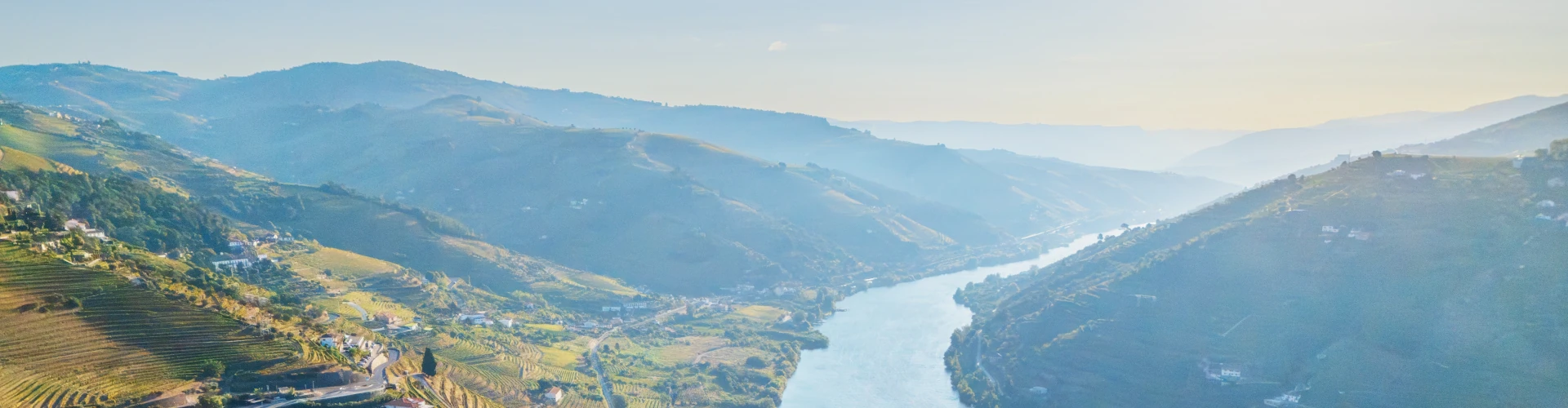
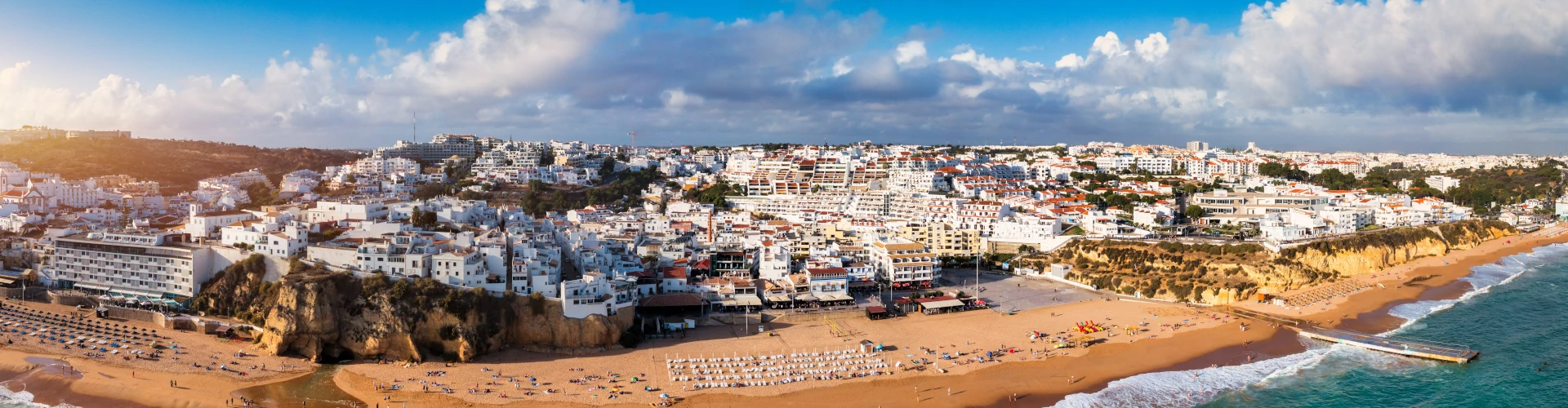
Overview of the Algarve property market
The Algarve’s property market is distributed across coastal municipalities, inland towns, rural areas, and purpose-built residential developments. Unlike a property market centred on a single major city, the region contains distinct local markets with substantial differences in property type, infrastructure, development patterns, and levels of year-round activity.
Coastal areas contain a mix of apartment complexes, residential resorts, detached villas, townhouses, and established urban neighbourhoods. Further inland, lower-density housing, traditional town properties, rural houses, and properties on larger plots become more prominent.
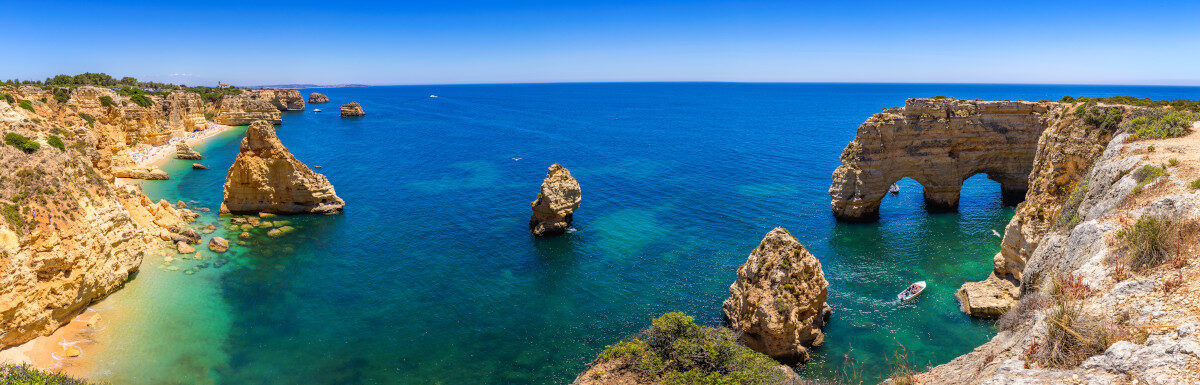
Seasonality also affects parts of the Algarve. Some locations maintain substantial year-round residential activity, while others experience greater changes in occupancy associated with holiday and second-home use. The practical significance of these patterns varies by municipality, town, development, and neighbourhood.
Location in the Algarve therefore involves more than the name of a municipality. Proximity to the coastline, transport connections, access to services, planning context, infrastructure, property format, and whether a property forms part of a managed development can all affect its characteristics and use.
Types of properties commonly found in the Algarve
Residential property in the Algarve ranges from apartments within coastal developments to detached villas, townhouses, urban homes, and rural properties. Plot size, ownership structure, common facilities, infrastructure, and maintenance responsibilities can vary significantly according to location and development model.
Apartments within coastal developments
Apartment complexes are present in many coastal towns and may form part of residential, resort, or mixed-use developments. Depending on the property, shared facilities can include swimming pools, landscaped areas, parking, access systems, and other communal infrastructure or services.
The legal and management structure differs between developments. Condominium contributions, service arrangements, maintenance responsibilities, use of common facilities, reserve arrangements, and other ongoing obligations can therefore form an important part of the property’s overall ownership structure.
Detached and semi-detached villas
Detached and semi-detached villas are found across the Algarve, including coastal residential areas, purpose-built developments, towns, and lower-density locations.
Properties may include private outdoor areas, parking, gardens, terraces, or swimming pools. Responsibility for these elements depends on the ownership and development structure: a standalone villa can differ substantially from a villa situated within a resort or other development containing shared infrastructure and services.
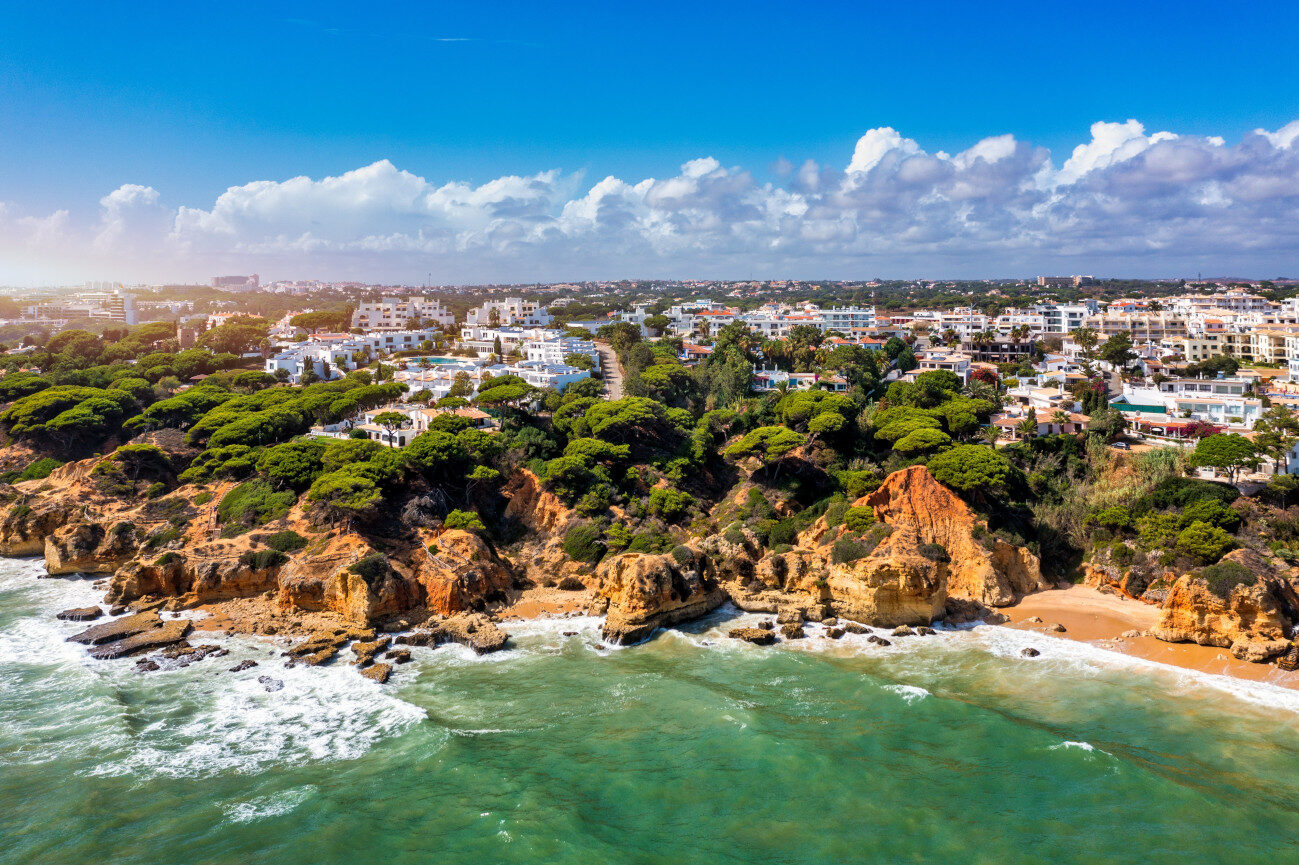
Townhouses and gated communities
Some areas contain townhouse-style properties within gated or managed developments. These can combine privately owned internal or external areas with shared access, landscaping, swimming pools, roads, parking, or other communal elements.
Ownership arrangements and responsibility for common elements vary between developments, as can the associated management structure and ongoing contributions.
Rural and inland properties
Outside the coastal belt, the Algarve includes rural houses, small agricultural properties, traditional buildings, and homes situated on larger plots.
These properties can present different legal, planning, and infrastructure characteristics from properties within established urban developments. Access roads, water supply, wastewater systems, electricity connections, land records, authorised use, existing structures, and planning rules can all vary according to the individual property and location.
Price structure and local market patterns
Property values across the Algarve reflect a combination of location, property type, development context, plot characteristics, building condition, views, accessibility, and proximity to services or particular amenities.
Coastal position can be relevant, but properties within the same municipality or even the same coastal area can occupy very different market segments. Sea views, beach access, marina proximity, golf facilities, plot size, outdoor space, parking, building condition, and the characteristics of a particular resort or development may contribute to differences in price and demand.
Inland locations introduce a different mix of property formats. Larger plots, detached housing, rural buildings, access arrangements, infrastructure, and planning circumstances can become more significant than the characteristics associated with coastal apartment or resort markets.
Managed developments and resorts may also involve shared infrastructure and ongoing service or condominium costs. These arrangements can affect the overall financial characteristics of ownership independently of the acquisition price.
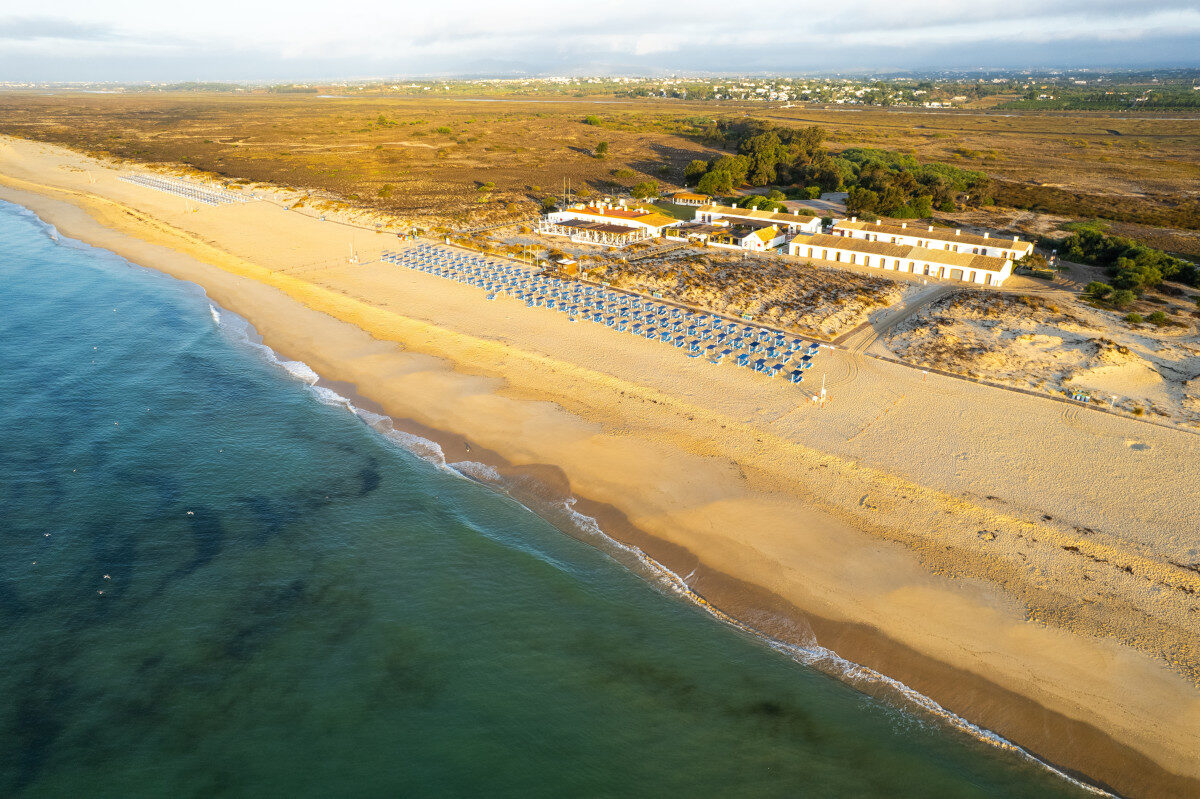
Seasonal occupation can influence particular local markets. Areas with substantial holiday or second-home use may have different occupancy, rental, service, and transaction patterns from towns and neighbourhoods with larger year-round residential populations.
The interaction between location, intended use, property format, infrastructure, development structure, and ongoing costs is therefore particularly important when comparing properties across different parts of the Algarve.
Key risks and practical considerations in the Algarve
The Algarve’s combination of coastal development, rural land, resort projects, protected areas, and properties with different infrastructure arrangements creates considerations that can vary substantially according to location and property type.
Licensing, land records, and planning status
Property records can include different legal, tax, cadastral, licensing, and planning information. References to property or land as urban or rustic for registration or tax purposes should not be treated as a complete statement of the planning rights that apply to the land.
Planning possibilities and restrictions can depend on municipal plans, land-use rules, protected areas, applicable easements or restrictions, authorised use, existing licences, and the characteristics of individual buildings or plots.
On properties containing several buildings or structures, the physical situation on the land, registered information, licensing history, and authorised uses may represent separate aspects of the property’s legal and planning context.
Infrastructure and utilities
Access to infrastructure differs across the Algarve. Properties within established urban or managed developments may be connected to public water, wastewater, electricity, road, and communications networks, while some rural or less densely developed properties can have different arrangements.
Depending on the property, these may include boreholes or other water sources, septic systems, private or shared access roads, and infrastructure located partly within private land.
Ownership, maintenance responsibility, legal status, capacity, and compliance requirements can therefore differ significantly between individual properties.
Resort and condominium obligations
Properties situated within resorts or managed residential developments can be subject to arrangements extending beyond the individual house or apartment.
Depending on the legal and management structure, these can include condominium contributions, service agreements, maintenance arrangements, rules concerning common facilities, landscaping, security, infrastructure, or other shared services.
The acquisition price and the continuing financial structure of ownership are therefore separate considerations in developments with significant communal facilities or managed services.
Seasonal use and occupancy patterns
Neighbourhood conditions can change during the year in areas with substantial seasonal occupation. The scale of that variation differs considerably between towns, established residential areas, resorts, and other coastal locations.
Year-round access to shops, healthcare, public transport, restaurants, local services, and community activity can therefore differ between locations even where they are geographically close.
Renovation and construction constraints
Renovation, extension, reconstruction, or new building works are subject to the applicable planning and licensing framework. The possibilities available can differ according to the municipality, location, existing building, planning classification, and other restrictions affecting the property.
Coastal locations, environmentally sensitive areas, protected landscapes, and other specifically regulated zones can involve additional constraints. The existence of a building or structure does not by itself establish that further construction or expansion is permitted.
Property uses across the Algarve
The Algarve accommodates several forms of residential property use. The relevance of location, infrastructure, development structure, services, maintenance, and planning considerations can change substantially according to how the property is intended to be used.
Second-home use
Properties used for part-time or seasonal residence can place particular emphasis on accessibility, maintenance arrangements, security, outdoor space, parking, and the management of the property during periods when it is unoccupied.
Managed developments can offer a different ownership structure from standalone properties because communal facilities and services may continue to generate obligations and costs regardless of how frequently the individual property is occupied.

Permanent residence and retirement
When an Algarve property is intended as a year-round home, characteristics that may receive less attention during occasional stays can become more significant. Healthcare access, shops and services, transport, property maintenance, heating and cooling, local infrastructure, and levels of activity outside peak periods can all affect long-term use.
Where the property forms part of a wider retirement plan, housing is only one element of the overall context. Healthcare, pensions, taxation, residence arrangements, transport, and long-term financial circumstances may also be relevant. More information is available on retiring in Portugal.
Long-term rental and investment use
Properties intended for long-term rental can operate differently across coastal towns, urban centres, resort areas, and inland municipalities. Year-round population, employment, transport, property format, local services, management arrangements, and the applicable rental framework can all affect the characteristics of a rental property.
Where acquisition forms part of a broader investment strategy, questions can extend beyond the physical property to taxation, ownership structure, financing, permitted use, rental arrangements, and long-term objectives. These wider considerations are covered in the overview of investing in Portugal.
Residential and flexible use
Some properties may be acquired with more than one possible long-term purpose, such as personal occupation followed by permanent residence or another legally permitted use.
Different forms of occupation or rental can be subject to different legal, contractual, planning, condominium, or registration requirements. A property’s physical suitability for a particular use does not by itself establish that the use is legally or contractually available.
How the national buying process applies in the Algarve
The Algarve’s regional property characteristics do not create a separate acquisition system. Property transactions remain subject to the Portuguese legal framework governing property ownership and transfer.
Depending on the transaction, the process may involve negotiation or an offer, a promissory purchase and sale agreement (Contrato-Promessa de Compra e Venda or CPCV), completion through the legally applicable instrument, payment of relevant taxes and charges, and registration of ownership. Not every transaction follows an identical sequence or uses every intermediate step.
In the Algarve, property-specific issues can arise in relation to municipal planning, authorised use, licensing history, rural land, existing structures, infrastructure, protected areas, condominium arrangements, resort management agreements, and other characteristics of the individual property.
National tax and property law operates alongside municipal planning rules and other property-specific requirements. The resulting legal and administrative position therefore depends on both the national framework and the circumstances of the property concerned.
For more detail on contracts, taxation, registration and the wider acquisition framework, see Buying a House in Portugal.
Working with professionals in the Algarve
A property transaction in the Algarve may involve different professionals depending on the property type, legal circumstances, financing structure, development model, and scope of any technical analysis. These can include real estate agents, lawyers, notaries or other authorised professionals, financial institutions, tax professionals, architects, engineers, or surveyors where relevant.
Rural properties, resort developments, older buildings, properties with multiple structures, and land affected by particular planning or infrastructure arrangements can raise different legal, administrative, contractual, and technical questions.
In managed developments, relevant information can include condominium documentation, service agreements, maintenance arrangements, shared infrastructure, and ongoing financial obligations. Rural properties can involve a different combination of land records, planning status, authorised structures, access, utilities, and infrastructure.
Portugal Vista provides general information and, where relevant, may connect readers with qualified independent professionals. Professional services are provided directly by the relevant professional according to their field and the circumstances of the transaction.
Frequently Asked Questions
Is buying property in the Algarve different from buying elsewhere in Portugal?
The national legal framework for property acquisition applies in the Algarve as it does elsewhere in Portugal. However, individual properties can involve different considerations relating to resort developments, rural land, planning status, infrastructure, protected areas, condominium arrangements, and existing structures. The wider national process is explained in Buying a House in Portugal.
What should I know about buying property in an Algarve resort?
A property within a resort or managed development may involve arrangements extending beyond the individual house or apartment. Depending on the development, these can include condominium contributions, service agreements, shared facilities, landscaping, security, infrastructure, maintenance arrangements, and rules governing common areas. The legal and financial structure varies between developments.
Are coastal and inland properties in the Algarve significantly different?
They can be. Coastal areas contain a substantial mix of apartments, villas, townhouses, resorts, and established urban neighbourhoods, while inland areas include more lower-density housing, rural properties, traditional buildings, and larger plots. Infrastructure, planning circumstances, access to services, property format, and levels of seasonal activity can also differ considerably between locations.
What should I know about buying a rural property in the Algarve?
Rural properties can involve different combinations of land records, planning rules, authorised uses, existing structures, road access, water supply, wastewater systems, electricity connections, and other infrastructure. The physical buildings and land visible on a property do not by themselves establish their planning, licensing, registration, or authorised-use status.
Does rustic or urban land classification determine what can be built?
Not by itself. References to property as rustic or urban for registration or tax purposes should not be treated as a complete statement of development rights. Construction, extension, reconstruction, and permitted use can depend on municipal planning instruments, land-use rules, protected areas, applicable restrictions, licensing history, and the circumstances of the individual property.
Can Algarve properties have private water or wastewater systems?
Yes. Depending on location and infrastructure, some properties may use arrangements such as boreholes or other water sources, septic systems, or private or shared access infrastructure. Their legal status, capacity, maintenance responsibilities, and applicable requirements depend on the individual property and system.
Does seasonality matter when buying a home in the Algarve?
It can, particularly where a property will be used throughout the year. Levels of occupancy and activity can vary between locations and seasons, and access to shops, healthcare, transport, restaurants, and other services may differ accordingly. The extent of seasonal variation is highly location-specific and should not be assumed to be the same throughout the Algarve.
Can an Algarve property be used for rental or investment purposes?
Property can form part of a rental or wider investment strategy, but the relevant legal, tax, planning, condominium, contractual, and registration requirements depend on the intended use and the individual property. Resort and managed developments may also have their own contractual or operational arrangements. Broader investment considerations are covered in Investing in Portugal.
Is the Algarve suitable for buying a permanent home rather than a holiday property?
The Algarve includes towns, cities, villages, rural areas, and residential neighbourhoods with different levels of year-round activity and services. For permanent residence, factors such as healthcare, transport, shops, infrastructure, property maintenance, heating and cooling, and accessibility can have different importance from those associated with occasional use.
Can buying a property in the Algarve form part of retirement planning?
Yes, but property ownership is only one part of a cross-border retirement plan. Residence status, healthcare, pensions, taxation, transport, long-term costs, and access to year-round services may also be relevant depending on individual circumstances. These wider issues are covered in Retiring in Portugal.
Does buying a property in the Algarve give me the right to live in Portugal?
Property ownership and residence rights are separate legal matters. Buying a house or apartment in Portugal does not by itself establish a right of residence. The applicable residence framework depends on factors such as nationality and individual circumstances.
Can renovation or extension be restricted near the Algarve coast?
Yes. Renovation, extension, reconstruction, and new construction can be affected by municipal planning rules and other restrictions applicable to the property. Coastal areas, protected landscapes, environmentally sensitive locations, and other specifically regulated zones may involve additional constraints. The existence of an existing building does not by itself establish a right to enlarge or replace it.
Information for readers
This article provides general information about the Algarve property market in the context of the Portuguese property framework. Property characteristics, documentation, municipal practice, transaction requirements, taxation, and other circumstances can vary between properties and may change over time.