Retiring in Portugal: Planning Your Move and Connecting with Local Experts
Portugal is often considered an appealing retirement destination in Europe due to its climate, safety, healthcare access, and relaxed pace of life. If you’re considering the move, reliable information and the right local contacts can make the process easier. We connect you with trusted professionals who work in areas such as residency, healthcare, housing, and everyday practical arrangements.
Prefer a full overview first? Explore our complete guide to Moving to Portugal.
Talk to our team to be introduced to professionals relevant to your retirement plans.
Why Retire in Portugal
Portugal is often cited as an appealing retirement destination. It combines a warm climate with a stable environment and a culture where community life plays an important role. English is commonly used in international settings and in many urban and coastal areas.
Retirees often appreciate the slower rhythm, year-round outdoor lifestyle, and access to services. With legal residency, the public healthcare system becomes available, and private healthcare can complement it with faster access to specialists. Whether you prefer coastal living, a countryside setting, or a compact city with culture and transport links, Portugal offers a variety of lifestyle options.

Lifestyle and Cost of Living
Daily life tends to be social, outdoors, and community-oriented. Walkable towns, local markets, public transport, and proximity to beaches or green spaces support an active routine. Costs vary by region and lifestyle: Lisbon and Cascais are premium markets, while areas such as the Silver Coast, Alentejo, and parts of the Algarve interior can offer different entry points.
Typical monthly spending for retirees includes accommodation (rent or mortgage), utilities, groceries, healthcare (including private insurance if chosen), and leisure. Building a realistic budget around your preferred location and lifestyle can make the transition smoother.
Residency and Visa Options for Retirees
Several residency paths may suit retirees. The D7 visa is commonly used by applicants with stable passive income such as pensions or rental income. In general, applicants should prepare evidence of income, accommodation, and health coverage while following the applicable documentation and timing requirements.
After obtaining a residence permit, legal residents may access public healthcare. As a general guideline, residents who complete five years of legal residency may apply for permanent residency or citizenship, subject to legal requirements in force at the time. Always verify current rules with AIMA (Agência para a Integração, Migrações e Asilo) or with your nearest Portuguese consulate.
Professionals within our partner network may assist with visa strategy, document preparation, and application procedures depending on your situation.
Healthcare and Insurance
Portugal’s public healthcare system, SNS (Serviço Nacional de Saúde), is accessible to legal residents and offers a broad network of primary care and hospitals. Many retirees also choose private health insurance for shorter waiting times and wider provider options.
Through our network, individuals can connect with professionals who explain SNS registration, compare private insurance options, and clarify the documentation involved.
Choosing the Right Region
Each region has its own rhythm, climate, and cost profile. When selecting a location, it is helpful to consider proximity to healthcare, transport connections, housing availability, and community life.
Popular options include:
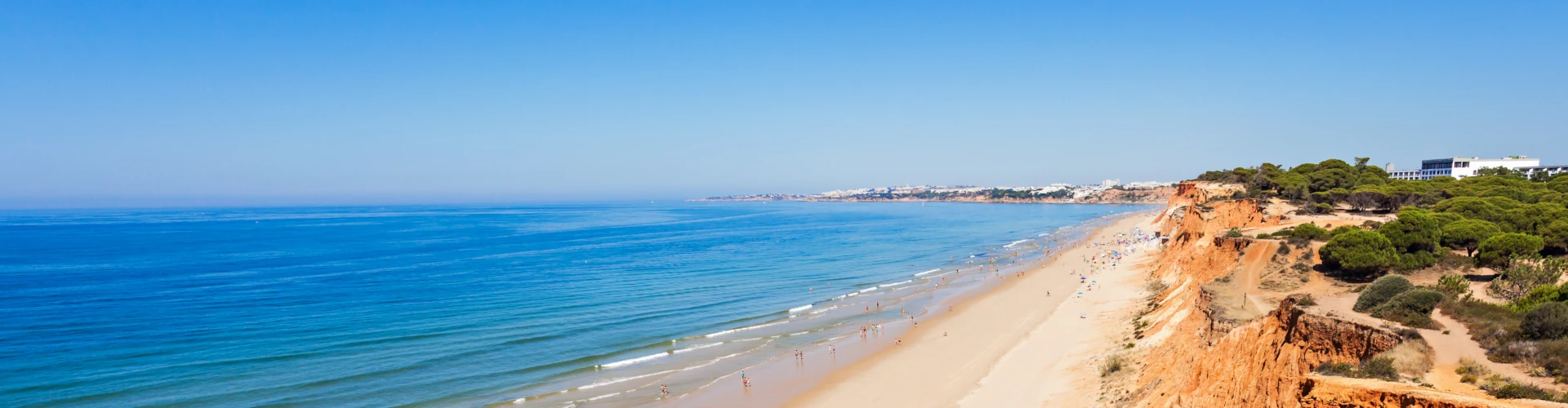
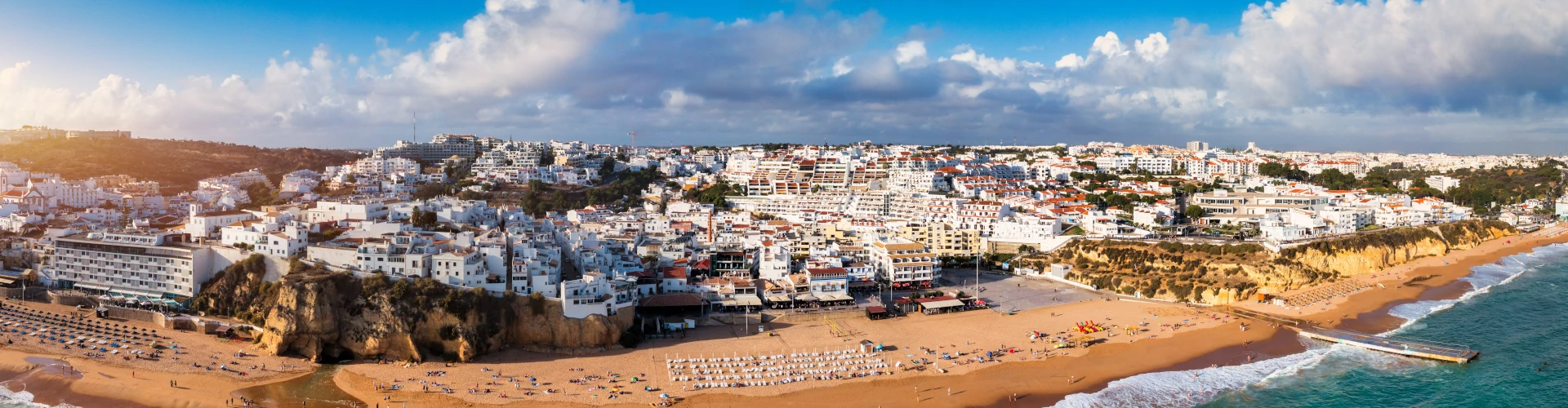
- Algarve: Coastal lifestyle, golf, and established international communities.
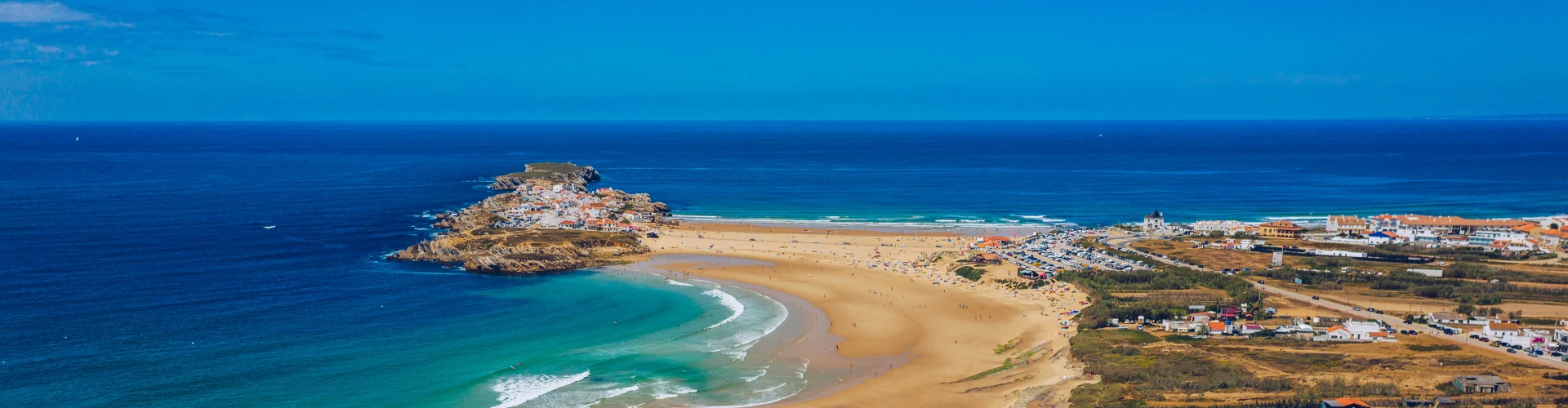
- Silver Coast: Atlantic towns with a slower pace and competitive housing.
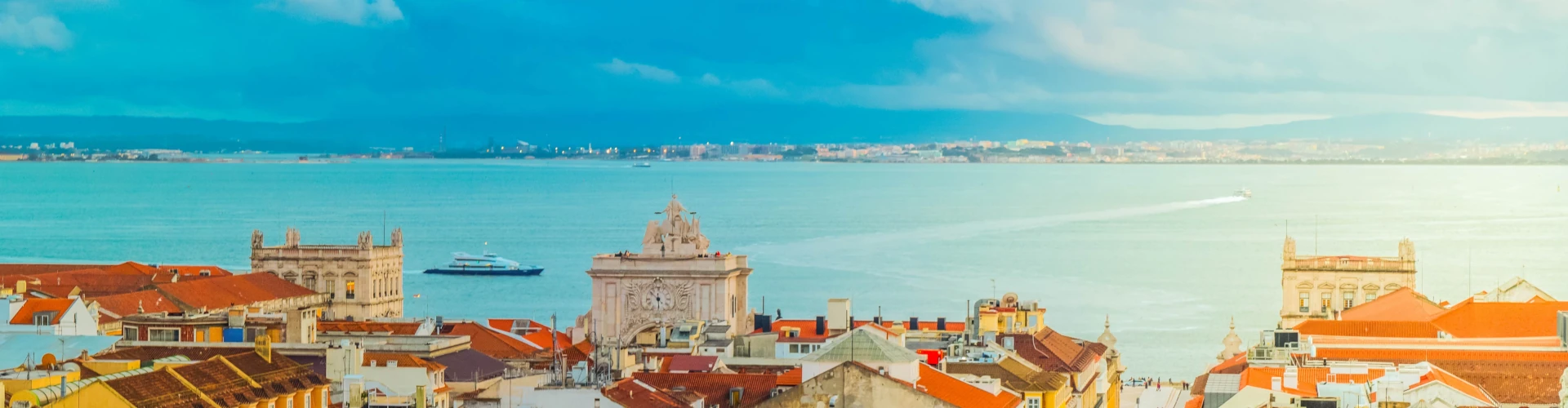
- Lisbon and Cascais: Urban convenience, culture, and international connectivity.
- Porto: Historic urban living with reliable healthcare access and walkable neighbourhoods.
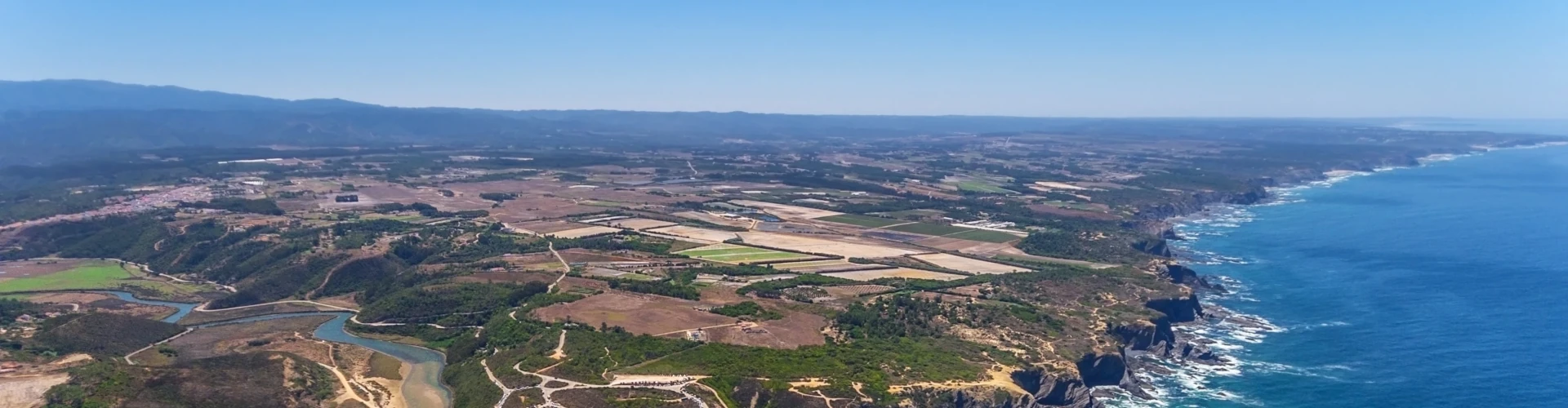
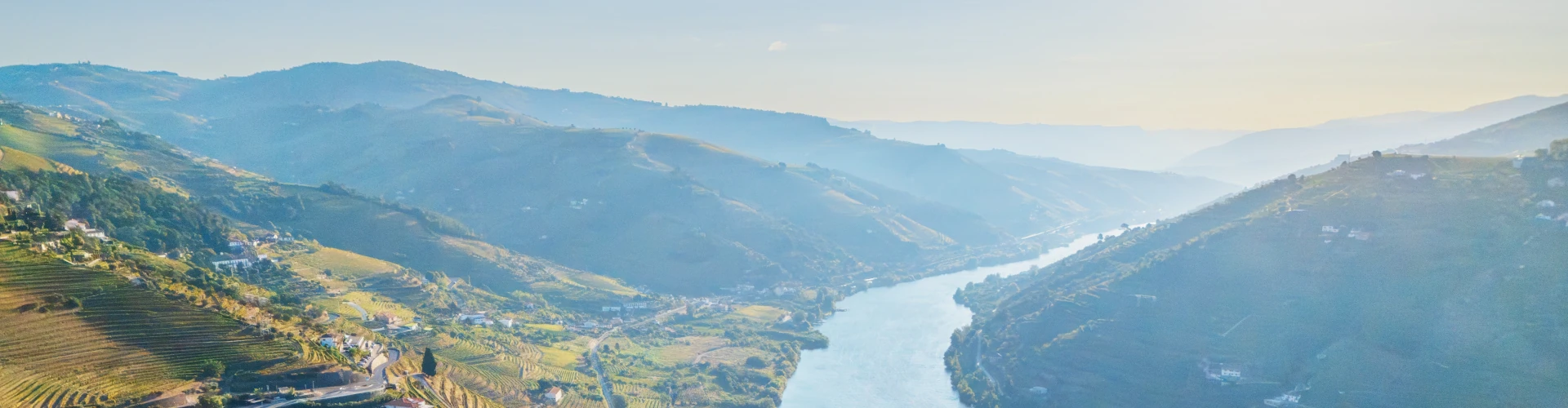
- Alentejo: Rural landscapes, privacy, and a slower pace of life.
- Madeira and the Azores: Island environments with mild climates and distinctive scenery.
Professionals within our network can help compare regions and align location choices with healthcare access, lifestyle preferences, and long-term plans.

Potential Challenges to Plan For
Relocating for retirement also involves practical considerations. Administrative procedures may take time, language can initially be a barrier, and housing costs vary widely depending on location.
Understanding these factors early can help create a smoother transition and allow for more realistic planning.
How to Retire in Portugal: At a Glance
- Assess eligibility and documents — income, accommodation, health coverage, police records, and document authentication.
- Choose a region and budget — consider healthcare access, transport links, housing, and day-to-day costs.
- Start the visa process — verify requirements with AIMA and your Portuguese consulate.
- Prepare practical arrangements — NIF (tax number), bank account, accommodation contract, and insurance if required.
- Arrival and registration — follow residency procedures and register with the SNS.
- Driving licence — if relevant, arrange exchange through IMT (Instituto da Mobilidade e dos Transportes).
- Review tax position — confirm obligations with AT (Autoridade Tributária e Aduaneira) or a qualified advisor.
This checklist is simplified. Always verify current rules with official bodies such as AIMA, SNS, IMT, AT, or with your Portuguese consulate.
How We Support Retirees
We act as an initial point of contact, introducing individuals to professionals who work in areas relevant to retirement planning in Portugal.
- Introductions to trusted legal and visa professionals
- Connections to real estate and relocation specialists
- Access to professionals who can explain regional differences and housing options
- Introductions to concierge partners for practical setup such as utilities, banking, insurance, and healthcare
- Follow-up to confirm that introductions have been successfully established
Our role is to connect you with qualified professionals who can provide specialised services relevant to your relocation plans.
Start Your Retirement Plan
Retiring in Portugal involves lifestyle decisions, legal steps, and practical arrangements. Reliable information and the right professional contacts can make the process clearer.
Contact us to be introduced to trusted professionals who work with retirees moving to Portugal.
Frequently Asked Questions
Can I retire in Portugal without speaking Portuguese?
Yes, although learning Portuguese can make everyday life easier. English is commonly used in international environments and in many urban and coastal areas.
Do I need private health insurance to retire in Portugal?
Most residency applications require proof of health coverage. Many retirees keep private insurance for quicker access to specialists while also using the public system.
What’s the minimum income required for the D7 visa?
Income thresholds are linked to official reference amounts and may change over time. Applicants should confirm current requirements with AIMA or their Portuguese consulate.
How are foreign pensions taxed in Portugal?
Tax treatment depends on your tax residency and the origin of the pension. Residents are generally taxed on worldwide income. A cross-border tax advisor can clarify your specific situation.
Can I buy property as a retiree?
Yes. Foreign nationals can purchase property in Portugal, and proof of accommodation is usually required for residency applications.