Relocating from the Netherlands to Portugal
Considering moving to Portugal from the Netherlands? For Dutch residents, relocating to Portugal offers a different rhythm of daily life — more time outdoors, a milder climate, and a culture where community and routine play a central role.
Within the European Union, Dutch citizens can live, work, and study in Portugal without the need for a visa. The process, however, involves several administrative steps, including residence registration, tax setup, and access to healthcare. Understanding these in advance helps make the transition smoother and legally compliant.
This guide provides a clear overview of what to expect when relocating from the Netherlands to Portugal. It covers residence procedures, housing and cost of living, healthcare, taxation, education, and cultural adaptation — offering a practical reference for individuals and families planning a long-term move.
For additional insights on life, property, and legal procedures across the country, explore our comprehensive Moving to Portugal guide.

Motivations and Cultural Contrasts
A different rhythm of life
Relocating to Portugal from the Netherlands often begins with a search for a different rhythm of life. The Portuguese climate allows for more time outdoors and a routine shaped by daylight and local community life.
For Dutch citizens used to structured schedules and long winters, this change can bring a slower and more flexible pace.
Work–life balance and lifestyle
Work–life balance is another frequent motivation. In Portugal, professional and personal time tend to blend naturally, especially in smaller towns and coastal regions.
Cafés, markets, and shared meals often define the rhythm of the day. The contrast with the Netherlands lies less in productivity than in tempo — tasks unfold with more personal interaction and less emphasis on strict timing.
Practical considerations and daily costs
When moving to another country, cost of living is usually a practical consideration. While Portugal is no longer viewed as low-cost within Europe, housing and certain daily expenses remain moderate outside Lisbon and the Algarve.
Combined with safety, quality healthcare, and a mild winter climate, these aspects can make long-term residence appealing for different life stages — from remote work to retirement.
Cultural adaptation and communication style
Cultural adaptation tends to happen gradually. Portuguese social norms value politeness and personal connection, which may feel more indirect than the straightforward Dutch style of communication.
Over time, this conversational rhythm often becomes one of the most appreciated features of daily life in Portugal.
Before planning a permanent move, it helps to understand the basic residence requirements for EU citizens in Portugal.
Visas and Residence
Freedom of movement within the EU
Citizens of the Netherlands can move to Portugal without a visa under the European Union’s freedom of movement rules. This allows Dutch nationals to live, work, and study in Portugal on the same terms as local residents.
The first months are straightforward, but formal residence registration is required for stays longer than 90 days.
Registering legal residence
Registration is completed at the local Câmara Municipal (municipal office), where EU citizens obtain a Certificate of Registration of Residence (Certificado de Registo de Cidadão da União Europeia).
This document confirms legal residence in Portugal and is typically issued for a five-year period. Applicants present a valid passport or ID card, proof of address, and evidence of income or employment.
Tax identification number (NIF)
After registering, residents should obtain a Portuguese tax identification number — the Número de Identificação Fiscal (NIF). The NIF is required for contracts, utilities, banking, and tax reporting.
It can be requested at any office of the Autoridade Tributária e Aduaneira (AT – Portuguese Tax and Customs Authority) or via an authorised fiscal representative.
Administrative authorities and healthcare registration
Long-term administrative matters are handled by the Agência para a Integração, Migrações e Asilo (AIMA).
Note: Proposed changes to Portugal’s nationality law may significantly increase the required period of legal residence for citizenship, but these changes are still pending constitutional review and are not yet in force.
Where to Live in Portugal
Regional diversity and lifestyle choices
Choosing where to live is one of the most defining steps when relocating from the Netherlands to Portugal. The country offers distinct lifestyles depending on region, climate, and proximity to services or the coast.
Lisbon metropolitan area
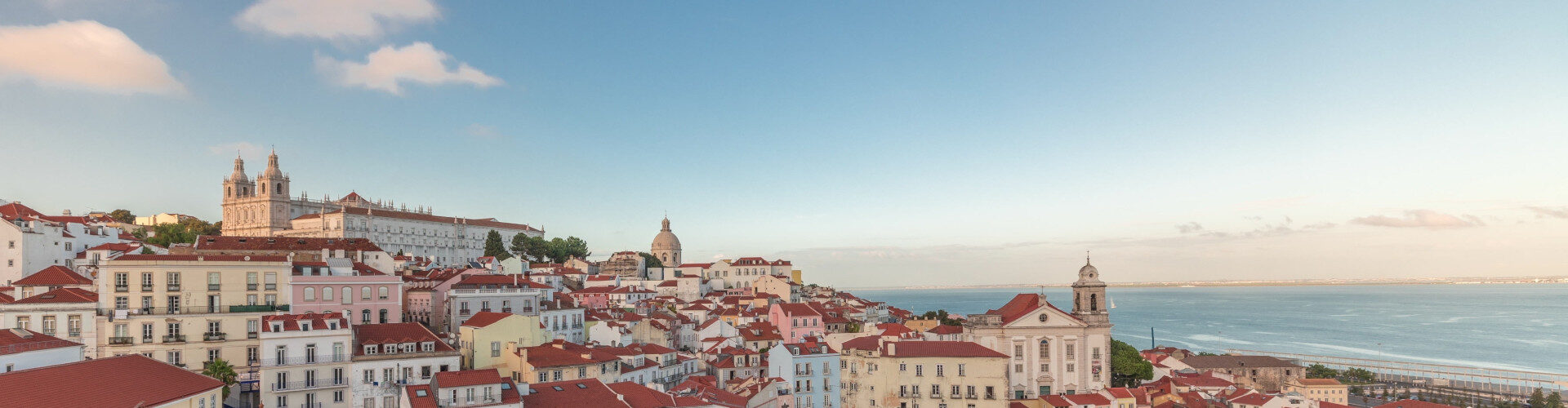
Lisbon and its metropolitan area attract professionals working in technology, finance, and international companies. The capital provides access to cultural life, international schools, and flight connections to Amsterdam, but housing costs are higher than in other parts of the country.
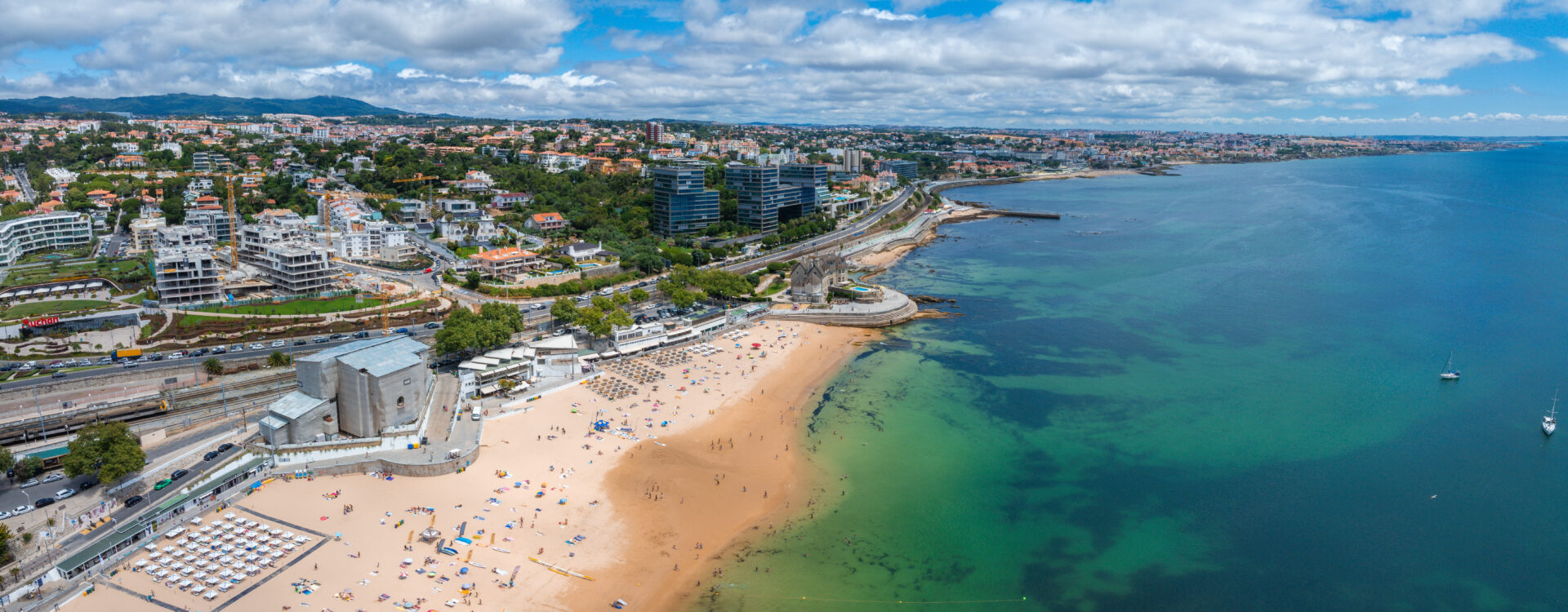
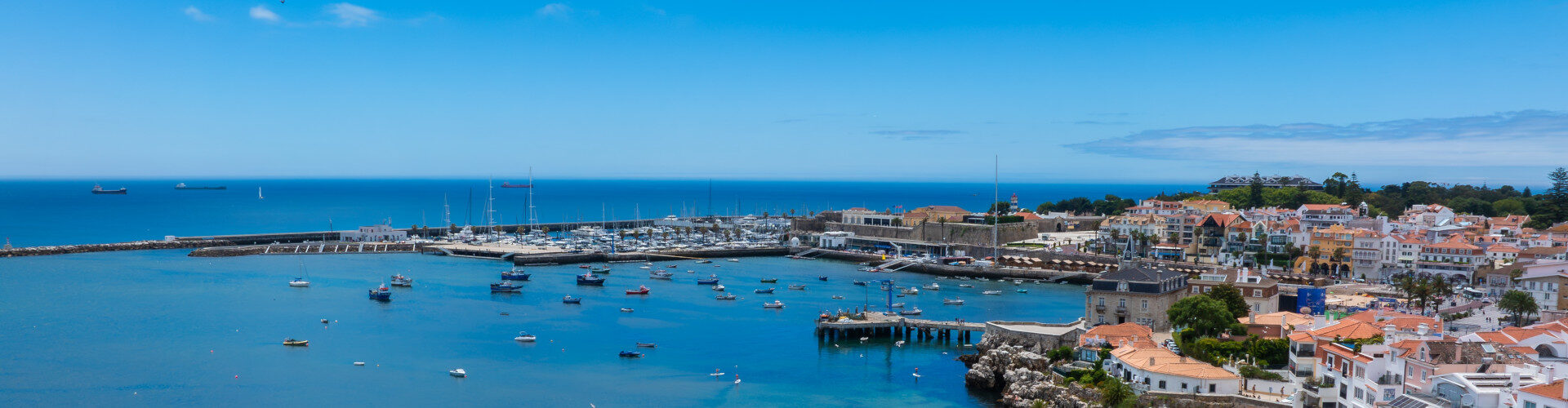
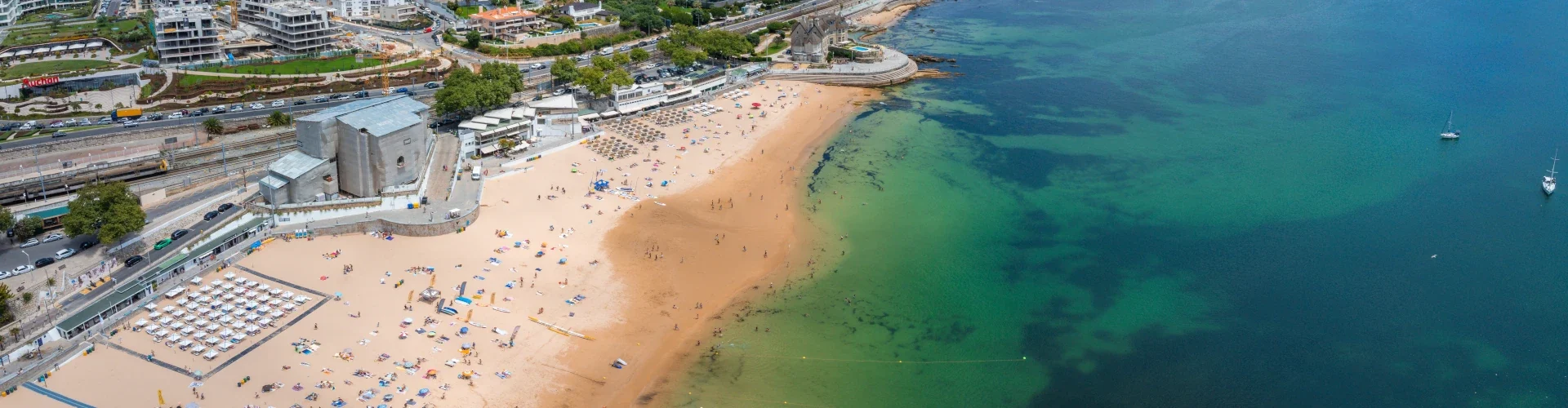
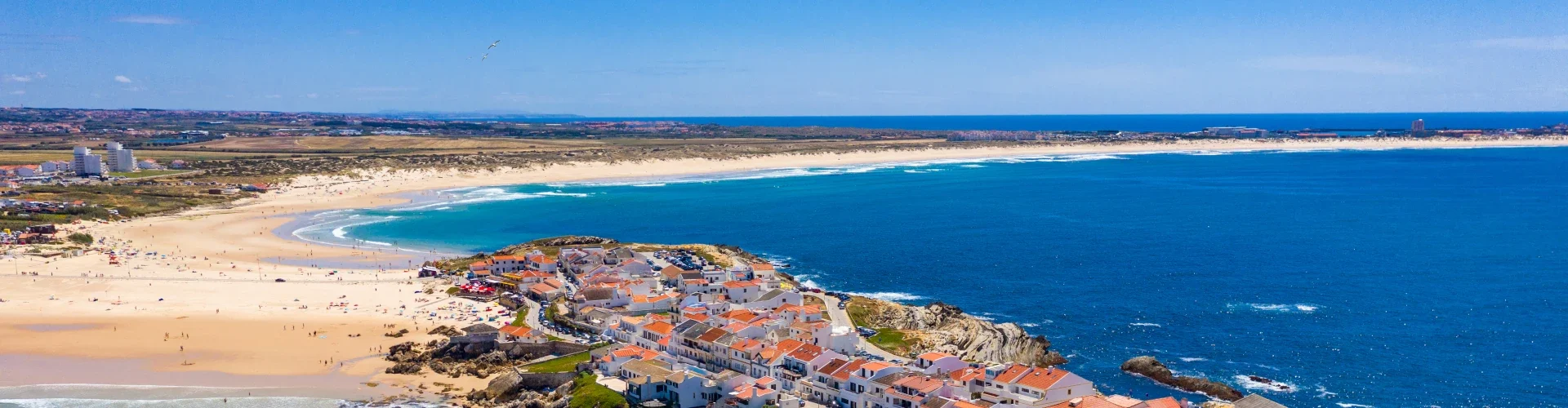
Nearby Cascais and Oeiras combine residential comfort with easy access to Lisbon’s business districts, while Ericeira — a coastal town known for surfing, yoga retreats, and a steady remote-work community — offers a quieter alternative within commuting distance of Lisbon.
Northern Portugal: Porto and surroundings
Porto, in northern Portugal, offers a more compact urban environment and a strong sense of community. The city’s creative and start-up sectors have expanded in recent years, and its generally lower housing prices compared with Lisbon make it practical for families and remote professionals.
Southern Portugal: the Algarve
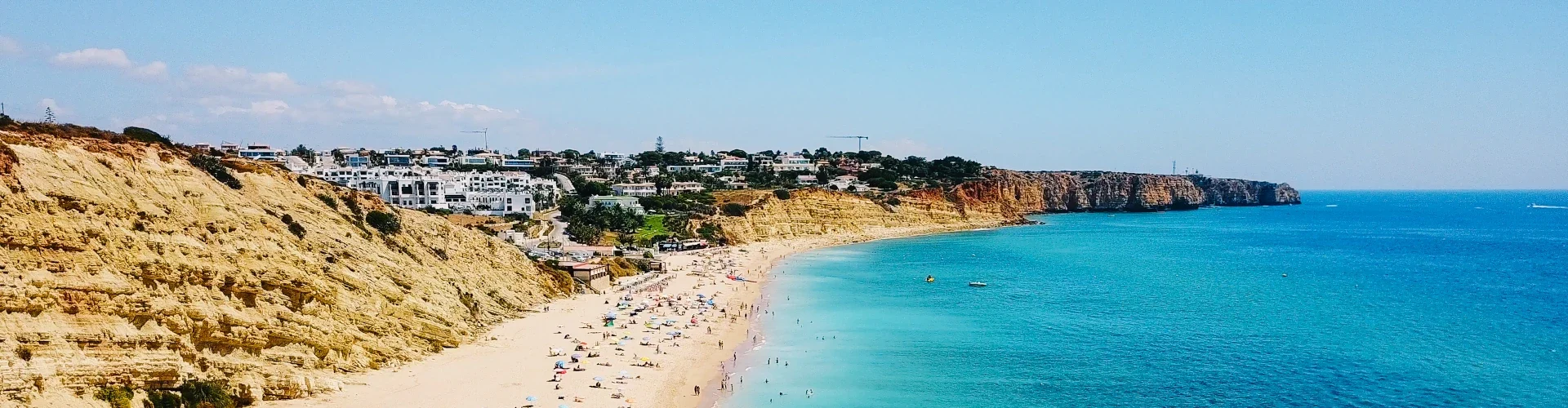
The Algarve, in the south, is known for its long coastline, warmer weather, and established international communities. Towns such as Lagos, Tavira, and Loulé provide a quieter pace while maintaining access to healthcare and schools.
For those seeking year-round sunshine or retirement settings, this region remains one of the most practical options.
Central Portugal and the Alentejo
Central Portugal and the Alentejo region appeal to those looking for space and moderated living costs. Cities such as Coimbra, Évora, and Tomar combine historic centres with access to nature, while rural areas often require greater self-sufficiency and personal transport.
Practical factors to consider
Each region has its own advantages — from the professional networks of Lisbon to the coastal rhythm of the Algarve. Before deciding, it helps to spend time in different areas, compare housing availability, and consider access to airports, healthcare, and everyday amenities.
Housing and Real Estate
Finding housing and understanding the market
Finding housing is one of the first practical steps when relocating from the Netherlands to Portugal. The property market varies by region, so understanding local procedures helps avoid complications later on.
Renting a home
Rental contracts typically run for a year or longer and must be registered with the Autoridade Tributária e Aduaneira (AT – Portuguese Tax and Customs Authority). Landlords commonly request one or two months of rent in advance and a security deposit.
Clauses on maintenance, early termination, and utilities should be reviewed carefully before signing.
Buying property
Buying property follows a two-step process in most cases: a promissory agreement (Contrato-Promessa de Compra e Venda) followed by the final deed (Escritura Pública) before a notary, with registration at the Land Registry (Conservatória do Registo Predial).
Purchase taxes include IMT (property transfer tax) and stamp duty, with IMI (annual municipal property tax) payable after completion.
Legal and professional assistance
Real estate agents in Portugal are regulated by the public authority IMPIC and must be properly licensed to operate. Checking an agent’s AMI licence number before signing any contract is standard practice.
For a step-by-step overview of checks, taxes, and timelines, see our in-depth guide on buying a house in Portugal.
Cost of Living
Overview of living expenses
When moving from the Netherlands to Portugal, understanding local living costs helps in planning a balanced budget. Prices in Portugal remain moderate compared with northern Europe, though they vary by region and lifestyle.
Housing, utilities, and everyday costs
Housing is the main expense. Lisbon and the Algarve show the highest rents, while cities such as Coimbra, Braga, and Évora remain more accessible.
Utility bills — electricity, water, and internet — tend to be higher in winter months due to heating needs. Food, dining, and transport costs are generally lower than in the Netherlands, especially outside major urban centres.
Cost comparison: Portugal vs. the Netherlands
Below is an indicative comparison of average monthly expenses in Portugal and the Netherlands. Values are rounded and based on publicly available data from Portugal’s Instituto Nacional de Estatística (INE – National Statistics Institute) and the OECD. Figures represent general estimates for 2025 and may vary by city and consumption habits.
| Category | Portugal (Average) | Netherlands (Average) |
|---|---|---|
| Rent (1BR City Centre) | €1,000 | €1,600+ |
| Private Health Insurance | €100/month | €150–€200/month |
| Utilities (Electricity, Water, Internet) | €120/month | €200+/month |
| Dining Out (Mid-range Meal) | €20 per person | €35–€50 per person |
| Public Transport (Monthly Pass) | €40–€50 | €90–€120 |
Source: Instituto Nacional de Estatística (INE) and OECD data. Estimates are indicative and for illustrative comparison purposes only.
Budgeting for relocation
While average expenses in Portugal are lower overall, differences in housing and energy costs have narrowed in recent years. Planning a relocation budget based on regional realities — not national averages — remains the best approach.
Healthcare and Social Security
Access to healthcare for EU citizens
Access to healthcare in Portugal for Dutch citizens follows the same principles that apply to all European Union residents. During the initial months of relocation, the European Health Insurance Card (EHIC) provides temporary access to essential public healthcare services under the same conditions as Portuguese nationals.
Registering with the National Health Service
After registering residence, newcomers should enrol in the Serviço Nacional de Saúde (SNS – National Health Service). The SNS covers general medical consultations, emergency care, hospital treatment, and maternity services, with a system of moderate user fees known as taxas moderadoras.
Registration is completed at the local health centre (Centro de Saúde) once you present proof of residence and a Portuguese tax identification number (Número de Identificação Fiscal – NIF).
Private healthcare and insurance
Private healthcare is widely available and often complements public services. Many residents choose private insurance for shorter waiting times, access to specialists, or coverage for dental and optical care.
Monthly premiums typically start around €40 to €60 for basic plans, though costs depend on age and coverage level.
Social security coordination
Portugal and the Netherlands coordinate social security rights under EU law. Dutch citizens who become employed or self-employed in Portugal contribute to the local system through the Segurança Social (Social Security).
These contributions count toward pensions, unemployment benefits, and parental leave, and existing contribution periods in the Netherlands remain valid when transferred between systems.
Practical overview
Portugal’s healthcare and social security systems offer stable access to essential services, combining public coverage with optional private care. Registration early in the relocation process helps ensure continuous access and administrative clarity.
Education and Family Life
Overview of the education system
Families relocating from the Netherlands to Portugal generally find the education system straightforward to navigate. Schooling is compulsory from ages six to eighteen and offered free of charge in the public system.
The Ministry of Education oversees national curricula, which follow a structure similar to most European systems.
Public schooling
Public schools (escolas públicas) teach primarily in Portuguese and follow a standard academic calendar from September to June. Enrolment depends on the family’s registered address and is handled through the local education authority or municipality.
For children who do not yet speak Portuguese, many schools provide integration support or language adaptation programmes during the first year.
Private and international options
Private and international schools are available in major urban areas such as Lisbon, Cascais, Porto, and the Algarve. These institutions typically offer bilingual or English-language programmes, including British, International Baccalaureate, or Dutch curricula.
Tuition fees vary widely, so families should plan school visits in advance and confirm accreditation and language of instruction.
Higher education and university access
Higher education is accessible to EU citizens under the same conditions as Portuguese nationals. Universities in Lisbon, Porto, and Coimbra accept applications through the national admission system or directly for certain programmes taught in English.
Degrees obtained in Portugal are recognised across the European Union.
Family routines and childcare
For families, the pace of daily life in Portugal may feel different from the Netherlands. School days are often longer, with extended lunch breaks, and extracurricular activities play a strong social role.
Public childcare (creches) and preschools (jardins de infância) are available, though waiting lists can be long in larger cities. Taking time to understand the local school calendar and enrolment deadlines helps families settle smoothly.
Work and Business
Employment rights and registration
Dutch citizens benefit from full freedom of movement within the European Union, which allows them to work, study, or establish a business in Portugal without the need for a work visa.
The main administrative steps involve registering residence and obtaining a Portuguese tax identification number (Número de Identificação Fiscal – NIF).
Employment framework and taxation
Employment contracts in Portugal follow national labour law, typically providing 14 months of salary per year — including two additional payments in summer and at Christmas.
Standard working hours are 40 per week, and employment must be registered with the Segurança Social (Social Security), which covers healthcare, unemployment, and pensions. Salaries are subject to income tax withheld at source (Imposto sobre o Rendimento das Pessoas Singulares – IRS).
Self-employment and entrepreneurship
Self-employment and freelance work are common among international residents. Independent professionals must register their activity with the Autoridade Tributária e Aduaneira (AT – Tax and Customs Authority) and pay monthly or quarterly social security contributions.
Accounting requirements depend on turnover, and simplified tax regimes are available for smaller operations.
Setting up a company
Entrepreneurs can establish limited companies or sole proprietorships through the Empresa na Hora service — a government platform that streamlines company registration in person or online.
The process includes selecting a business name, registering with AT and Social Security, and opening a business bank account. Legal advice is recommended for those setting up more complex structures or employing staff.
Remote work and digital flexibility
Remote work remains a strong motivation for relocation to Portugal. The country’s time zone, digital infrastructure, and broad availability of coworking spaces have made it convenient for professionals managing teams or clients across Europe.
While income tax rules depend on residence status, Dutch nationals working remotely for companies based abroad must still comply with Portuguese tax obligations once they establish fiscal residence.
Taxes and Financial Matters
Determining tax residence
Tax residence in Portugal is determined by several criteria defined in national legislation. One of the main tests is physical presence: individuals who spend more than 183 days in Portuguese territory within a 12-month period are generally considered tax residents.
Residence can also apply to those who maintain a habitual home in Portugal, even if they spend less time in the country.
Tax identification and administration
The first administrative step is obtaining a Portuguese tax identification number, known as Número de Identificação Fiscal (NIF). It is issued by the Autoridade Tributária e Aduaneira (AT – Portuguese Tax and Customs Authority) and is required for almost all transactions, including rental contracts, banking, utilities, and employment registration.
Double taxation and treaty protection
Portugal and the Netherlands have a double taxation agreement to prevent the same income from being taxed twice. Under this treaty, taxes paid in one country may be credited in the other.
Dutch residents relocating to Portugal should review how their income sources — such as employment, pensions, or investment returns — are treated under Portuguese law once tax residency is established.
Fiscal incentives and innovation
A new framework known as the Incentivo Fiscal à Investigação Científica e à Inovação (IFICI – Fiscal Incentive for Scientific Research and Innovation) applies to qualifying new residents working in research, technology, or innovation-related fields.
It replaces the former Non-Habitual Resident regime and provides reduced income tax rates for specific categories of income under defined conditions.
Banking and financial planning
Banking in Portugal follows EU standards. Opening an account requires identification, proof of address, and a valid NIF. Many banks offer English-language online services and debit cards usable across Europe.
For financial planning, it is advisable to confirm reporting obligations both in Portugal and the Netherlands, particularly for assets held abroad.
Ensuring compliance
Understanding how tax residence is defined, how the Portugal–Netherlands tax treaty works, and what compliance duties apply helps ensure a transparent and legally sound financial transition when relocating.
Transport and Mobility
Public transport and intercity connections
Portugal’s transport system is reliable and straightforward, combining urban public networks with intercity trains and motorways. Major cities such as Lisbon, Porto, and Coimbra have integrated metro, tram, and bus services, while smaller towns rely mainly on regional buses.
Monthly transport passes are generally affordable compared with northern Europe.
Rail and road travel
Long-distance travel is supported by an extensive train network operated by Comboios de Portugal (CP – the national railway company). High-speed Alfa Pendular trains connect Lisbon and Porto in around three hours, with continuing routes to Braga, Coimbra, and Faro.
Portugal’s motorway system (autoestradas) is well maintained and toll-based, offering good access between coastal and inland regions.
Driving and vehicle registration
Dutch citizens can drive in Portugal using their Dutch driving licence. The Instituto da Mobilidade e dos Transportes (IMT – Portugal’s authority for vehicle registration and driver licensing) manages all exchanges and renewals.
For EU licences, exchange is not mandatory, but residents are advised to register their licence with IMT after establishing local residence. This helps ensure records are updated in case of renewal, loss, or expiry.
Car import and registration process
Those planning to import a vehicle from the Netherlands must complete customs and registration procedures through IMT and the Autoridade Tributária e Aduaneira (AT – Portuguese Tax and Customs Authority).
Import taxes and registration fees apply unless specific exemptions are available for permanent relocation.
Air travel and international access
Portugal is well connected to the Netherlands by air, with frequent direct flights between Lisbon, Porto, Faro, and Dutch cities such as Amsterdam, Rotterdam, and Eindhoven. The country’s main airports are managed by ANA – Aeroportos de Portugal, which also oversees regional airports in the Azores and Madeira.
Everyday mobility
Efficient public transport, moderate commuting costs, and manageable driving rules make local mobility relatively simple for EU residents once registration formalities are complete.
Integration and Daily Life
Adapting to the Portuguese pace
Adjusting to daily life in Portugal often feels gradual rather than abrupt. For Dutch citizens, the main difference lies in tempo: routines are less time-driven, and personal contact carries greater weight in both professional and social settings.
Conversations may begin with small talk before practical matters, and patience with bureaucracy becomes part of the local rhythm.
Language and communication
Language can influence how easily newcomers integrate. Portuguese is the official language, and although English is widely spoken in cities and tourist regions, learning basic Portuguese greatly improves communication and day-to-day independence.
Many municipalities and community centres offer affordable language courses, and informal practice quickly helps newcomers connect with neighbours and services.
Social life and community
Social life in Portugal tends to be community-oriented. Shared meals, cafés, and neighbourhood events remain part of everyday culture.
Compared with the Netherlands, where schedules are often planned well in advance, social invitations in Portugal may happen spontaneously, especially among friends and colleagues. Adapting to this flexibility usually enhances the relocation experience.
Routines and cultural balance
In most regions, life is built around small routines: visiting local markets, enjoying outdoor cafés, and observing traditional holidays or festivals. The sense of safety and accessibility — walking to shops, schools, or health centres — adds to daily comfort.
Integration in Portugal is not about full assimilation but about adapting to a different rhythm. Openness, patience, and curiosity tend to make the transition smoother, allowing newcomers to find balance between Dutch structure and Portuguese informality.
How to Move from the Netherlands to Portugal – Checklist
Before you move
Before relocating, it’s essential to prepare documents, finances, and expectations. Start by researching different regions of Portugal — coastal cities, rural areas, or central locations — to compare lifestyle, climate, and access to services.
Check that your passport is valid and gather key documents such as your birth certificate, proof of income or employment, health insurance details, and Dutch tax identification.
Notify your local municipality in the Netherlands of your departure through the Basisregistratie Personen (BRP – Personal Records Database). Review the Portugal–Netherlands double taxation agreement to understand how your income, pension, or investments will be treated once you become a Portuguese tax resident. Plan your budget carefully, deciding whether to rent initially or explore property purchase later on.
Upon arrival in Portugal
Once you arrive, a few early administrative steps help establish your residence smoothly. Apply for a Portuguese tax identification number (Número de Identificação Fiscal – NIF) from the Autoridade Tributária e Aduaneira (AT – Portuguese Tax and Customs Authority).
Register your residence at the Câmara Municipal (municipal office) to obtain your EU Residence Certificate (Certificado de Registo de Cidadão da União Europeia). Open a Portuguese bank account, register with the Serviço Nacional de Saúde (SNS – National Health Service), and update your driving licence with the Instituto da Mobilidade e dos Transportes (IMT).
Settling in
After registration, focus on settling into daily life. Connect electricity, water, and internet services at your new address, and register with the Segurança Social (Social Security) if you’re employed or self-employed in Portugal.
If you prefer additional healthcare coverage, explore private or international health insurance options. Families should look into schools early — both public and international — as enrolment deadlines can vary. Learning Portuguese through local courses or online platforms also helps with integration and independence.
Staying compliant
Once you’ve established residence, ensure that your obligations remain up to date. Declare tax residency in Portugal after spending 183 days in the country or maintaining a habitual home there.
Keep records of income earned abroad and report them in Portugal under the double taxation agreement. Update your personal details with the Portuguese authorities if your address, employment, or family circumstances change. Regularly review your healthcare, insurance, and tax situation to stay compliant with Portuguese regulations.
This checklist summarises the key administrative and practical steps involved in moving from the Netherlands to Portugal. While the process is straightforward for EU citizens, timelines and requirements can differ depending on individual situations — always confirm details with official Portuguese institutions before finalising any decision.
Maintaining Dutch Connections While in Portugal
Tax and financial links
After relocating to Portugal, Dutch citizens may still retain certain financial or administrative ties with the Netherlands. Under the Portugal–Netherlands double taxation agreement, income and pensions are coordinated to avoid duplicate taxation.
Dutch pensions, investments, or property income can continue to generate reporting obligations in the Netherlands. Inform both the Belastingdienst (Dutch Tax and Customs Administration) and the Autoridade Tributária e Aduaneira (Portuguese Tax and Customs Authority) of your change of residence to ensure accurate coordination.
Maintaining a Dutch bank account can be practical for mortgages, investments, or pension transfers. Most institutions allow non-resident account holders, but security settings and communication preferences may need updating once you live abroad.
Social security and pensions
State and occupational pensions from the Netherlands remain payable within the European Union. The Sociale Verzekeringsbank (SVB – Dutch Social Insurance Bank) administers state pensions and provides guidance for recipients living overseas.
Contributions made in Portugal through the Segurança Social (Social Security) count toward EU pension entitlements. Notifying the SVB and Portuguese authorities about your relocation helps prevent delays in payments or future benefit claims.
Voting and civic rights
Dutch citizens living in Portugal can vote in national and European elections. Registration as a non-resident voter is handled by Gemeente Den Haag (The Hague municipality), which manages voter rolls for citizens abroad.
The process can be completed online and maintains participation in Dutch democratic processes while residing in Portugal.
Practical coordination
Certain updates — such as identity document renewals or certification — may still be processed through Dutch authorities or consular services. The Embassy of the Netherlands in Lisbon and the Consulate in Portimão assist with these procedures.
Keeping records aligned in both countries supports smooth administration across tax, pension, and identification matters.
Dutch Communities and Support Networks in Portugal
Where Dutch citizens tend to settle
Dutch residents in Portugal are found across several regions, reflecting different lifestyle preferences. Lisbon and Cascais attract professionals and families who value international schools and proximity to the airport.
In the Algarve, towns such as Lagos, Tavira, and Albufeira have established Dutch-speaking communities, some with local associations that organise cultural events and social gatherings. Central and northern areas such as Coimbra and Porto also host smaller Dutch groups, often linked to remote work or retirement.
Community associations and initiatives
Several informal networks and associations provide opportunities for connection and mutual support. Organisations such as the Nederlandse Vereniging Portugal (Dutch Association of Portugal) and regional Dutch clubs hold regular meetups, celebrations of national holidays, and practical information sessions.
These groups help newcomers navigate administrative tasks, language learning, and cultural adaptation while maintaining social ties to the Netherlands.
Business and professional links
The Portuguese–Dutch Chamber of Commerce (Câmara de Comércio Luso–Neerlandesa) facilitates business cooperation and professional networking between both countries. It supports entrepreneurs, investors, and companies with cross-border interests and can be a useful point of contact for Dutch nationals establishing businesses or partnerships in Portugal.
Professional networking events are often held in Lisbon, Porto, and the Algarve.
Digital and social media groups
Online platforms and social media communities also play a significant role in helping Dutch residents exchange information about housing, schools, healthcare, and daily life. While such forums are practical for quick advice, official matters should always be confirmed with Portuguese authorities to ensure accuracy.
Combining informal peer support with verified institutional information creates a balanced approach to integration.
Useful Contacts and Resources
Key Portuguese institutions
- AIMA – Agência para a Integração, Migrações e Asilo
Responsible for residence registration, migration procedures, and EU citizen records.
Website: https://www.aima.gov.pt - AT – Autoridade Tributária e Aduaneira (Tax and Customs Authority)
Handles tax identification numbers (NIF), income declarations, and import duties.
Website: https://www.portaldasfinancas.gov.pt - SNS – Serviço Nacional de Saúde (National Health Service)
Oversees public healthcare services, health centres, and hospitals.
Website: https://www.sns.gov.pt - IMT – Instituto da Mobilidade e dos Transportes
Manages driving licences, vehicle registration, and road transport regulations.
Website: https://www.imt-ip.pt - INE – Instituto Nacional de Estatística (National Statistics Institute)
Publishes official economic and demographic data about Portugal.
Website: https://www.ine.pt
Dutch diplomatic services in Portugal
- Embassy of the Netherlands in Lisbon
Provides consular assistance, document certification, and support for Dutch citizens.
Website: https://www.netherlandsworldwide.nl - Consulate of the Netherlands in Portimão
Offers regional consular support and assistance for residents in southern Portugal.
Business and community support
- Portuguese–Dutch Chamber of Commerce (Câmara de Comércio Luso–Neerlandesa)
Promotes business cooperation, professional networking, and market insight.
Website: https://www.ccph.pt - Nederlandse Vereniging Portugal (Dutch Association of Portugal)
A social and cultural association organising events and community initiatives.
Website: https://www.nvpportugal.nl
Further information
For additional detail on visas, taxes, or healthcare, refer to the official websites listed above and to thematic guides published by Portugal Vista on residence, property, and daily life in Portugal.
Common Challenges and How to Overcome Them
Administrative complexity
Adjusting to Portuguese bureaucracy can take patience. Procedures that require multiple documents, in-person appointments, or online portals often progress slower than expected. Planning ahead — especially for residence registration, healthcare enrolment, and tax matters — helps reduce frustration.
Many municipalities and public services provide online booking systems (marcação online), which simplify some of the process once you know where to look.
Language and communication
Although English is widely spoken in cities and among younger generations, most official documents and administrative interactions are in Portuguese. Learning key terms and phrases, or taking an introductory course, makes communication easier and helps build trust in everyday exchanges.
Local community centres and juntas de freguesia (parish councils) often offer affordable language classes for newcomers.
Cultural adjustment
For Dutch citizens, daily life in Portugal may feel less structured and more flexible. Schedules are influenced by climate and social rhythm — lunch breaks are longer, and timing tends to be approximate rather than fixed.
Accepting this difference as part of the cultural balance, rather than inefficiency, helps integrate more comfortably into local life.
Housing and cost expectations
The property market in popular areas such as Lisbon and the Algarve can be competitive, with rising rents and limited availability. Exploring alternative regions — including central Portugal or mid-sized cities like Coimbra, Aveiro, or Braga — often leads to more stable prices and easier access to services.
Renting short term before buying provides time to understand the local market and avoid costly mistakes.
Weather and infrastructure differences
Portugal’s milder climate comes with seasonal contrasts that may surprise newcomers from northern Europe. Homes are often built for summer rather than winter, which means heating can be limited.
Portable electric or pellet heaters, insulation improvements, and awareness of seasonal humidity can make homes more comfortable during cooler months.
Integration and local participation
Integration takes time, but small steps help — joining local associations, volunteering, or attending municipal events. Even limited Portuguese fluency improves daily interaction, from markets to neighbourhood cafés.
Over time, building personal relationships becomes one of the most rewarding aspects of living in Portugal.
Getting Help With Your Move to Portugal
Practical coordination and local expertise
Relocating from the Netherlands to Portugal involves several administrative and lifestyle steps — from registering residence and obtaining a tax identification number (Número de Identificação Fiscal – NIF) to finding a suitable home and arranging healthcare.
Navigating these processes becomes simpler with local expertise and accurate information. Working with licensed real estate agents, legal advisers, and tax professionals helps ensure compliance with Portuguese regulations and realistic timelines.
Connecting with trusted local partners
To make the transition smoother, we connect you with trusted local partners — independent professionals who specialise in relocation, property, taxation, and legal matters.
Their regional experience and language skills can help you complete essential steps with confidence and avoid common administrative hurdles. This approach allows you to plan effectively while staying in control of each stage of the process.
Frequently Asked Questions – FAQ
Do I need to deregister from the Netherlands before moving to Portugal?
Yes. Dutch citizens relocating for more than eight months within a 12-month period must deregister from their municipality in the Netherlands (gemeente). This is done through the Basisregistratie Personen (BRP – Personal Records Database) and notifies the authorities that you have established residence abroad.
Can I use my Dutch health insurance in Portugal?
For short stays, your European Health Insurance Card (EHIC) covers essential medical care in Portugal. Once you register as a resident, you should enrol in the Portuguese public health system (Serviço Nacional de Saúde – SNS). Some residents keep private international health insurance during the transition period.
How does banking work for newcomers?
Most Dutch banks allow you to maintain your accounts after relocation, but you will need a Portuguese bank account for daily payments and utilities. Opening an account requires ID, proof of address, and a tax number (Número de Identificação Fiscal – NIF). Major Portuguese banks provide online services in English.
Can I bring my car from the Netherlands to Portugal?
Yes, you can import your vehicle, but registration must be completed through the Instituto da Mobilidade e dos Transportes (IMT) and the Portuguese Tax Authority (Autoridade Tributária e Aduaneira). Import duties may apply, except in cases of permanent relocation where exemptions are available under specific conditions.
What are common work opportunities for Dutch citizens in Portugal?
Many Dutch residents work remotely for companies abroad, while others find opportunities in technology, tourism, renewable energy, or international trade. EU citizens do not need a work permit, but tax registration and social security contributions are required if employed locally.
Are pets allowed to move with me to Portugal?
Yes. Pets entering Portugal from the Netherlands must have a valid EU Pet Passport, microchip, and up-to-date rabies vaccination. Airlines and ferry operators may have specific transport rules, so checking requirements in advance is essential.
Is Portuguese weather comfortable year-round for northern Europeans?
Portugal has mild winters and hot, dry summers. Homes may feel cooler indoors during winter due to limited central heating, particularly in older properties. Using portable heaters and improving insulation usually makes living conditions more comfortable for newcomers from colder climates.
Can Dutch children continue learning in their language while in Portugal?
Several international schools in Lisbon, Cascais, and the Algarve offer bilingual programmes that include Dutch language classes. In addition, weekend schools supported by the Dutch community provide language continuity for children growing up abroad.
Is recycling and sustainability well developed in Portugal?
Portugal has a structured recycling system managed by local municipalities, with separate bins for paper, glass, and plastic. Coastal areas and major cities also promote composting and eco-initiatives, though rural areas may have fewer collection points compared with the Netherlands.
How can I meet other Dutch residents in Portugal?
Joining community associations such as the Nederlandse Vereniging Portugal, attending cultural events, or participating in social media groups for Dutch residents are good ways to connect. Many towns host regular gatherings and informal meetups that help newcomers build local networks.
This guide was prepared with care to provide clear, factual information based on official Portuguese sources such as AIMA (Agência para a Integração, Migrações e Asilo), AT (Autoridade Tributária e Aduaneira), SNS (Serviço Nacional de Saúde), IMT (Instituto da Mobilidade e dos Transportes), and INE (Instituto Nacional de Estatística). While we aim to keep content current, readers should always confirm details with official institutions or qualified professionals when planning their move.