Relocating from Ireland to Portugal
Moving to Portugal from Ireland offers Irish citizens the opportunity to live, work, or retire within another member state of the European Union. Portugal appeals to those seeking a well-balanced lifestyle, a mild climate, and a strong sense of community, while remaining close to Ireland in both distance and cultural values.
As citizens of an EU country, Irish nationals can relocate to Portugal without the need for a visa. However, they must still complete local registration and handle key practicalities such as obtaining a Portuguese tax identification number (Número de Identificação Fiscal – NIF), registering for healthcare, and updating their tax and residency status. This guide outlines what Irish citizens should know for a smooth and informed move to Portugal.
For a wider understanding of life in Portugal — from housing and healthcare to education and legal requirements — consult our comprehensive Moving to Portugal guide.

Why Irish Citizens Are Making the Move
Lifestyle and Personal Motivations
Relocating from Ireland to Portugal appeals to many Irish citizens seeking a more balanced lifestyle within the European Union. Portugal combines a temperate climate, a strong sense of community, and a slower rhythm of daily life while offering cultural familiarity and geographic proximity to Ireland.
The New Remote Work Generation
The shift towards remote and flexible work arrangements has enabled Irish professionals to live abroad without interrupting their careers. Portugal has invested in reliable digital infrastructure, co-working facilities, and favourable residency frameworks for remote workers and freelancers.
Cost of Living and Climate Appeal
In general, housing and daily expenses in Portugal remain below those in major Irish cities such as Dublin or Cork. Combined with a mild Atlantic climate and over 250 days of sunshine per year, this balance often motivates Irish families and professionals to relocate.
Life in Portugal vs. Ireland: What Changes
Housing and Rent Costs
Rental and property prices in Portugal are typically lower than in Ireland, especially outside Lisbon or the Algarve’s most touristic areas. Many Irish newcomers find they can secure more spacious or modern accommodation for the same monthly budget.
Healthcare Access and Services
Both Portugal and Ireland maintain universal public healthcare systems. In Portugal, Irish and other EU citizens can access the SNS (Serviço Nacional de Saúde – National Health Service) once registered as residents. Private healthcare options are also widely available and comparatively affordable.
Work-Life Balance and Social Life
Portuguese society places strong emphasis on family life and personal time. Long meals, regular breaks, and strong local networks contribute to a lifestyle that contrasts with Ireland’s often busier professional pace.
Transport and Commuting
Portugal’s public transport is reliable and relatively inexpensive. Metropolitan areas such as Lisbon and Porto operate metro systems, while national train and bus networks connect most regions. This often reduces the need for car ownership, particularly in urban centres.
Safety and Quality of Life
Portugal consistently ranks among Europe’s safest countries. Low crime rates, political stability, and a high standard of healthcare and education make it an attractive environment for Irish families and retirees.
Cultural and Administrative Differences
Irish citizens may notice a more relaxed approach to time and administration in Portugal. While bureaucratic procedures can be slower, the overall friendliness and shared European values make daily integration relatively smooth.
Residency and Legal Status for Irish Nationals
Free Movement Within the EU
As citizens of an EU member state, Irish nationals can live, work, or study in Portugal without a visa. If the stay exceeds 90 days, registration as a resident with the local municipal authority (Câmara Municipal) is required.
EU Citizen Registration Certificate (CRUE)
The Certificado de Registo de Cidadão da União Europeia (CRUE) is the residency certificate issued by the Câmara Municipal to EU citizens residing in Portugal for more than 90 days. It formalises your right of residence and is often requested when accessing services, enrolling in healthcare, or finalising long-term rental contracts.
Registration Requirements
After arrival, Irish citizens should complete the following steps:
- Obtain a Portuguese Tax Identification Number (Número de Identificação Fiscal – NIF)
- Register residency at the local Câmara Municipal (Town Hall) to obtain the CRUE
- Apply for a healthcare user number with the SNS (Serviço Nacional de Saúde – National Health Service)
Completing these registrations ensures access to essential public services, including healthcare, education, and employment rights.
Taxes and Income Declaration
Anyone residing in Portugal for more than 183 days within a 12-month period is generally considered a Portuguese tax resident. Ireland and Portugal maintain a Double Taxation Agreement that prevents the same income from being taxed in both countries. It is advisable to seek professional advice regarding income declaration and fiscal residency status.
Note: Proposed changes to Portugal’s nationality law may significantly increase the required period of legal residence for citizenship, but these changes are still pending constitutional review and are not yet in force.
Moving from Ireland to Portugal: Step-by-Step Process
Before Departure
- Research potential locations and housing markets
- Arrange temporary or long-term accommodation
- Prepare travel and identification documents, including passport and European Health Insurance Card (EHIC)
- Consider obtaining private health insurance for additional coverage
Arrival and Registration
- Apply for a Portuguese Tax Number (NIF)
- Register residency and obtain your CRUE at the local Câmara Municipal
- Enroll in the SNS for public healthcare access
- Open a Portuguese bank account for rent and utility payments
Housing
It is generally advisable to rent first while exploring different neighbourhoods. Rental agreements usually require a NIF and a Portuguese bank account. Local real estate agents and verified online platforms can assist in finding accommodation that meets your budget and legal requirements.
Moving Belongings
When transporting personal items or vehicles from Ireland, check the applicable EU customs exemptions. Several relocation companies offer services specifically designed for moves within the European Union, including insurance and customs handling.
For a concise summary of the key administrative and practical steps, see the Essential Relocation Checklist below.
Where Irish Citizens Are Settling in Portugal
Lisbon and Commuter Areas
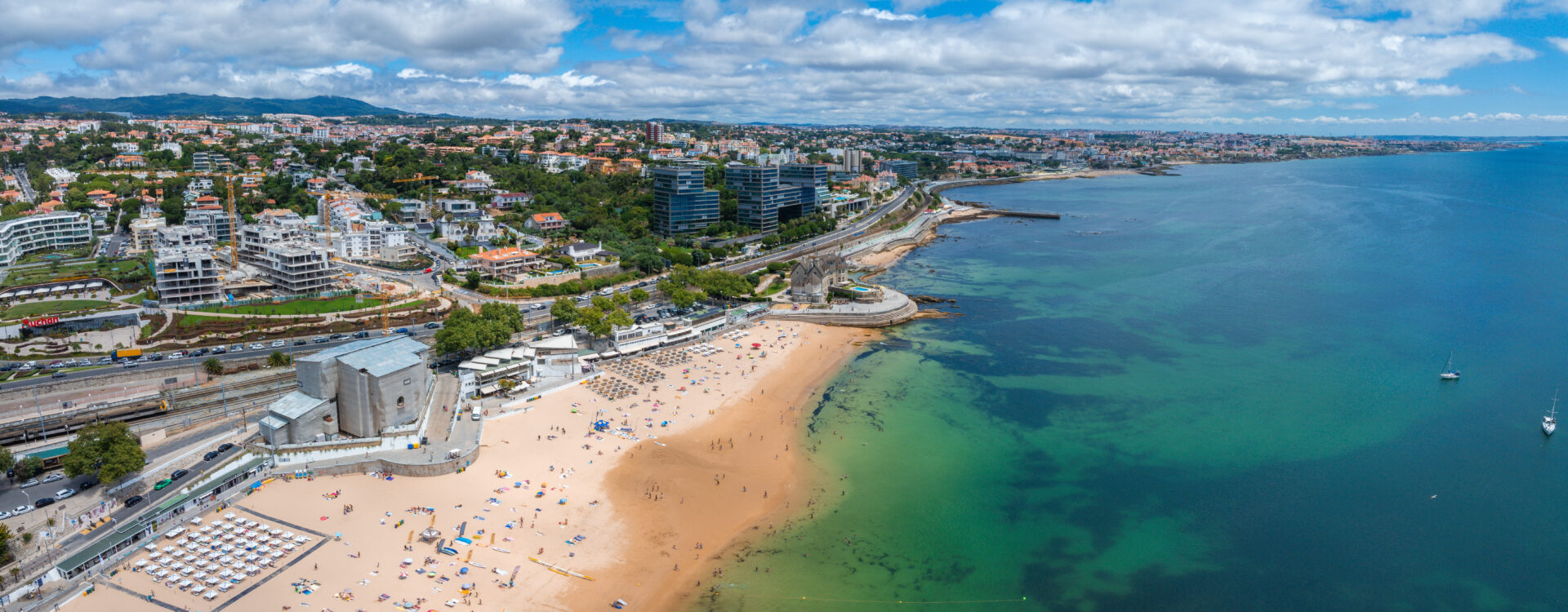
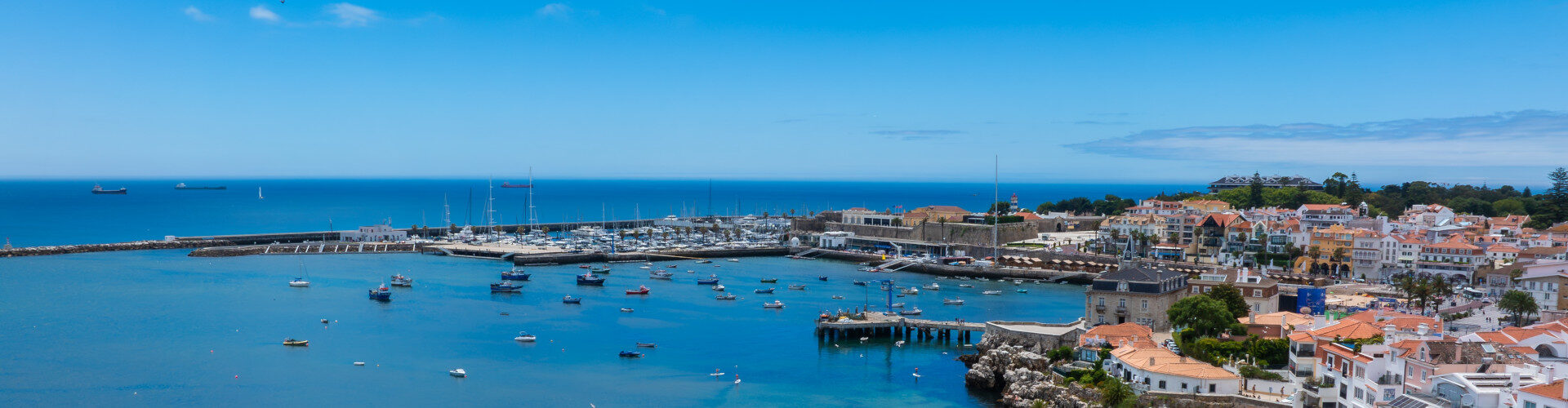
Lisbon remains the primary destination for Irish citizens relocating to Portugal. The capital offers international schools, strong employment opportunities in technology and finance, and a growing community of English-speaking residents. Nearby coastal towns such as Cascais and Oeiras provide easy commuting, established infrastructure, and high living standards suitable for families.
Porto and the North
Porto combines an accessible cost of living with a vibrant urban atmosphere. It attracts remote workers, entrepreneurs, and younger families seeking a more compact and community-oriented environment. Northern cities such as Braga and Guimarães also offer quality education, modern amenities, and a welcoming culture.
Algarve
The Algarve region, long known to Irish visitors, has evolved into a year-round residential choice for retirees and part-time residents. English is widely spoken, healthcare and leisure facilities are well developed, and the international community is well integrated with local Portuguese life.
Central Portugal and Coastal Towns
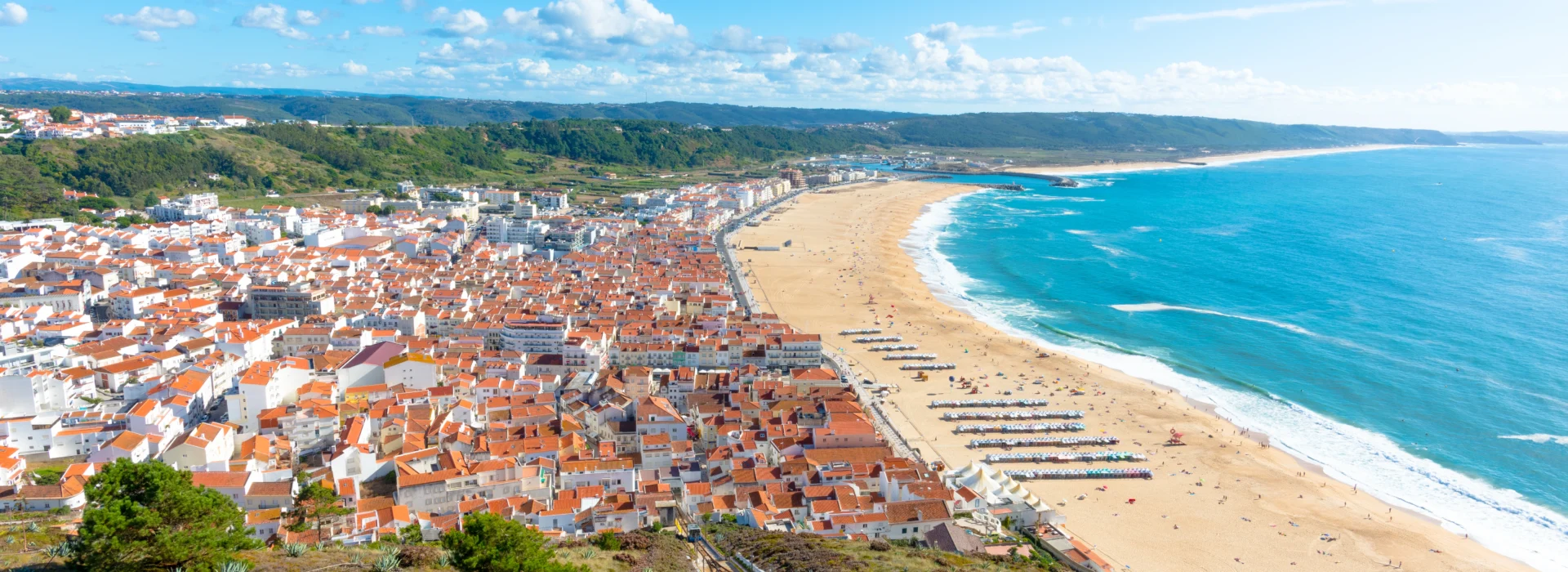
Areas such as Coimbra, Aveiro, and Évora combine cultural heritage with moderate property prices and good transport links. Smaller coastal towns—like Nazaré, Peniche, or Figueira da Foz—appeal to those seeking authenticity and affordability without the intensity of major tourist centres.
Financial Considerations: Portugal vs. Ireland
| Expense | Portugal (EUR) | Ireland (EUR) |
| 1BR City Rent | €800 | €1,600 |
| Groceries (monthly) | €300–€400 | €400–€500 |
| Utilities + Internet | €120 | €220 |
| Meal (mid-range) | €15 | €30 |
| Public Transport Pass | €40 | €130 |
Values are indicative monthly averages and can vary by region and lifestyle.
Portugal’s overall cost of living is generally lower than in Ireland, particularly in housing, transportation, and dining. However, imported goods, private education, and energy costs can reduce these savings. It is advisable to maintain a financial buffer during the first year of relocation.
Access to Healthcare in Portugal for Irish Expats
Public Healthcare (SNS)
Irish citizens can access Portugal’s public healthcare system, the SNS (Serviço Nacional de Saúde – National Health Service), once registered as residents. Holders of the European Health Insurance Card (EHIC) can use it for temporary coverage until full registration. Public services include local clinics and hospitals with moderate co-payments.
Private Insurance
It is common for expatriates to complement public healthcare with private insurance for faster appointments and English-speaking specialists. Major insurers operate nationally and provide flexible packages for individuals and families.
Pharmacies and Prescriptions
Pharmacies (farmácias) are widely available, including in small towns, and pharmacists often provide basic health advice. Prescription costs are partially subsidised under the SNS, and many common medications are priced below Irish retail levels.
Education Options for Irish Families
Local and Private Schools
Public schools in Portugal are free of charge and maintain solid academic standards, though teaching is conducted primarily in Portuguese. Private schools often offer smaller class sizes and bilingual programmes combining Portuguese and English curricula.
International Schools
Irish families in Lisbon, Porto, and the Algarve have access to international schools following British, American, or International Baccalaureate (IB) programmes. These schools facilitate continuity for children transitioning from the Irish education system.
Higher Education
Portuguese universities accept EU students under the same conditions as nationals. A growing number of degree programmes are taught in English, particularly in Lisbon, Porto, and Coimbra. Tuition fees are generally lower than in Ireland, making Portugal an affordable option for undergraduate and postgraduate studies.
Taxation and Financial Planning for Irish Citizens Abroad
Tax Residency Rules
Individuals spending more than 183 days per year in Portugal, or establishing a habitual residence there, are typically considered Portuguese tax residents. At that stage, global income becomes subject to Portuguese taxation, though exemptions may apply depending on income type and treaty provisions.
Avoiding Double Taxation
The Ireland–Portugal Double Taxation Agreement prevents income from being taxed in both countries. Irish citizens should inform both tax authorities of their residency status and may benefit from tax credits or exemptions when filing annual returns. Consulting a tax professional experienced in cross-border matters is strongly recommended.
NHR and Successor Regimes
Portugal’s former Non-Habitual Resident (NHR) regime offered reduced tax rates for specific foreign-sourced income for a period of ten years. Irish nationals who obtained NHR status before its closure continue to benefit until their term ends. The current framework, known as the Tax Incentive for Scientific Research and Innovation (IFICI), applies to professionals in designated sectors and does not include pensions or passive income.
Banking and Currency Transfers (SEPA / IBAN)
Irish residents in Portugal can use SEPA transfers to move funds between Irish and Portuguese IBAN accounts at low cost. Compare bank fees, exchange-rate margins, and transfer times. Some providers offer multi-currency accounts that simplify rent payments and international purchases.
Retiring in Portugal from Ireland
Why Portugal Appeals to Irish Retirees
Portugal has become a preferred destination for Irish retirees seeking a mild climate, reliable healthcare, and a relatively low cost of living within the European Union. The combination of safety, modern infrastructure, and proximity to Ireland allows for an easy transition and frequent travel between both countries.
Pensions and Taxation
Irish state and private pensions can generally be paid directly into Portuguese or Irish bank accounts. Under the Ireland–Portugal Double Taxation Agreement, pensions are usually taxed only in the country of residence, though certain public service pensions may remain taxable in Ireland. Retirees should obtain advice from a tax specialist to confirm their obligations and benefits.
Healthcare and Insurance
Once registered as residents, Irish retirees have access to the Portuguese public health system (SNS). It is common to supplement public care with private insurance for faster access to specialists and English-speaking doctors. The EHIC covers temporary stays until full registration is complete.
Long-Term Residence and Permanent Residence
EU citizens acquire the right to permanent residence in Portugal after five years of continuous legal residence. Permanent residence provides enhanced stability and access to services under similar conditions to Portuguese nationals. Keep records of registrations, leases, and utility bills to evidence continuous residence.
Lifestyle and Integration
Coastal areas such as the Algarve, Cascais, and parts of Central Portugal are home to active international retirement communities. Learning basic Portuguese, participating in local clubs, and connecting with Irish associations can help newcomers integrate smoothly into daily life.
Moving to Portugal from Ireland: Essential Relocation Checklist
Use this checklist as a quick reference when preparing your relocation from Ireland to Portugal. Requirements can vary by municipality, so confirm details with official authorities before each step.
Before Leaving Ireland
- Gather essential documents: valid passport, birth certificate, proof of address, and income documentation
- Apply for your European Health Insurance Card (EHIC)
- Notify your local Irish Revenue office and pension provider of your move
- Research housing markets in Portugal and consider a short-term rental for your first months
- Check pet travel rules if relocating with animals
- Plan international bank transfers or open a Portuguese account remotely (if available)
Upon Arrival in Portugal
- Apply for a NIF (Portuguese Tax Identification Number)
- Register residency and obtain your CRUE at the local Câmara Municipal
- Enrol in the SNS for public healthcare
- Open a Portuguese bank account
- Register your Irish driving licence with the IMT
The IMT (Instituto da Mobilidade e dos Transportes – Institute for Mobility and Transport) is Portugal’s national transport authority. It manages driving licences, vehicle registration, and transport regulations. Irish residents should notify the IMT after establishing residency, as registration or licence exchange may be required depending on individual circumstances.
First 90 Days
- Confirm residency documents are issued and up to date
- Register for local taxation if employed or self-employed
- Update your address with Irish and Portuguese financial institutions
- Join community networks or expat associations to build local connections
- Keep copies of all official documents and contracts for administrative use
This checklist is for general guidance only. Always confirm requirements with Portuguese authorities or qualified professionals before relocation.
Staying Tied to Ireland While Living in Portugal
Banking and Pensions
It is possible to maintain Irish bank accounts while resident in Portugal, and pension payments can usually be received into either an Irish or Portuguese account via SEPA transfers. Consider exchange rates, transfer fees, and any bank residency requirements. Some Irish nationals also retain Irish-based financial advisers for cross-border planning.
Voting and Documents
Irish citizens living abroad may have limited voting rights and eligibility generally depends on residence status and the type of election. Check the most recent guidance from Irish authorities before any poll. Passports can be renewed through the Embassy of Ireland in Lisbon or via the online passport service.
Digital and Media Access
Access to Irish TV, radio, and streaming services depends on licensing and provider terms; some content may be geo-restricted. A VPN may provide technical access but should be used in line with each platform’s conditions of use.
Travel and Time Zone
Portugal and Ireland share the same time zone in winter (GMT). During summer, Portugal operates on Western European Summer Time (UTC+1), which is one hour ahead of Ireland. This makes travel and communication straightforward throughout the year.
Driving and Transport in Portugal for Irish Citizens
Licence Use
Irish driving licences are valid in Portugal under EU rules. An exchange is not generally required; however, after establishing residency you should notify the Instituto da Mobilidade e dos Transportes (IMT). Exchange may be necessary on licence expiry or where categories are not fully recognised.
Owning a Car
Car ownership is practical but not essential in larger cities. Budget for acquisition tax, annual circulation tax, insurance, maintenance, tolls, and fuel, which can be significant cost items in a household budget.
Public Transport
Urban and intercity networks cover most metropolitan and regional corridors, with monthly passes available in major areas. Many residents rely primarily on public transport in Lisbon and Porto, supplementing with occasional car hire or ride-hailing services.
Everyday Life and Adapting to Portuguese Culture
Social Norms and Etiquette
Daily interactions in Portugal are generally courteous and unhurried. Building local relationships often requires consistency and time, particularly in smaller communities.
Language
English is widely understood in tourist areas and larger cities, but Portuguese is the working language for administration and most services. Learning basic Portuguese greatly improves day-to-day tasks and integration.
Bureaucracy
Administrative procedures can take longer than expected. Keeping digital and printed copies of documents, tracking appointments, and requesting written confirmations help reduce delays.
Irish Traditions Abroad
Community groups and schools often mark Irish cultural dates such as St Patrick’s Day. In Lisbon—and increasingly in cities like Porto and the Algarve—parades, live music, and social gatherings are organised by the Irish Association Portugal and local cultural partners. These celebrations strengthen community ties and maintain a connection with Irish heritage while living abroad.
Irish Communities and Social Resources in Portugal
Where to Connect
There are active Irish communities in Lisbon, the Algarve, and Porto. Look for local cultural centres, community organisations, and regular meet-ups to build networks.
Online Forums and Groups
Online communities dedicated to Ireland–Portugal relocation offer practical advice and local insights. Use moderated groups and official channels where possible.
Irish Businesses and Services
Irish-run or Irish-friendly venues—such as cafés, pubs, and service providers—can be useful entry points for recommendations and community contacts.
Key Contacts and Reliable Services
Irish Embassy in Lisbon
- Portuguese Immigration (AIMA – Agência para a Integração, Migrações e Asilo)
- Tax Authority (AT – Autoridade Tributária e Aduaneira)
- Public Health System (SNS – Serviço Nacional de Saúde)
- Language support and sworn translators
- Relocation advisors and legal professionals
Challenges and How to Overcome Them
Weather and Infrastructure Differences
Some properties have limited insulation or heating. Inspect energy performance, consider supplemental heating for winter months, and factor utility costs into your budget.
Language Barriers
Local classes, community courses, and language-exchange programmes support steady progress. Carry key phrases and consider professional interpreters for formal procedures.
Bureaucratic Delays
Plan extra time for registrations and keep organised records. Engaging reputable local assistance can streamline appointments and filings.
Emotional Transition
Relocation involves adjustment. Maintaining ties with Ireland while establishing routines and friendships in Portugal helps ease the transition.
Need Help Moving to Portugal from Ireland?
Relocating from Ireland can feel complex, from organising documents and registrations to finding housing and settling in. We help coordinate the process by connecting you with trusted professionals who offer practical, step-by-step support tailored to your plans.
If you’re preparing a move, get in touch to outline your situation and receive guidance from relocation experts familiar with Irish–Portuguese transitions.
Frequently Asked Questions
How can I adapt to Portugal’s climate and lifestyle?
Portugal has a Mediterranean climate with long, dry summers and mild winters, particularly in the south. Adapting involves practical steps—such as choosing well-insulated housing and staying hydrated in summer—alongside embracing Portugal’s slower daily rhythm. Administrative processes and service times can be longer than in Ireland, so patience and forward planning are helpful.
Can I receive my Irish pension while living in Portugal?
Yes. Irish state and private pensions can usually be paid directly into a Portuguese or Irish bank account through SEPA transfers. The Ireland–Portugal Double Taxation Agreement generally prevents pensions from being taxed twice, but you should confirm your specific situation with a qualified tax adviser.
Do Irish citizens need health insurance in Portugal?
As EU citizens, Irish nationals are entitled to access Portugal’s public health system (SNS) once registered as residents. It is common for expatriates to hold private health insurance in addition to the public system for faster access and broader coverage. The European Health Insurance Card (EHIC) remains valid for temporary stays until registration is complete.
Can I work remotely for an Irish employer while living in Portugal?
Yes, but consider tax and social security implications. If you become tax resident in Portugal, your worldwide income may be taxable there, subject to treaty relief. Social security coverage may remain in Ireland for limited periods with an A1 certificate, depending on your situation. Seek advice on payroll, permanent establishment risks, and reporting obligations.
Can I drive in Portugal with my Irish licence?
Yes. Irish driving licences are valid across the EU, including Portugal. Once resident, notify the IMT; an exchange may be required upon licence renewal or for certain categories.
How does taxation work if I live in Portugal but earn income from Ireland?
Portuguese tax residency typically applies after 183 days or establishing a habitual residence. Global income becomes taxable in Portugal, but the Double Taxation Agreement prevents the same income being taxed twice. Declare income accurately in both jurisdictions and obtain professional advice.
How can I register for healthcare and local services?
Apply for a NIF, register your address and obtain your CRUE at the Câmara Municipal, then enrol in the SNS. Keep consistent records and digital copies of key documents for appointments.
Can I bring pets from Ireland to Portugal?
Yes. Within the EU, pets travel with a valid EU Pet Passport, microchip, and up-to-date vaccinations (including rabies). Airlines may require specific carriers and forms—confirm before departure.
How can I connect with the Irish community in Portugal?
The Irish Association Portugal and local groups organise cultural events, including St Patrick’s Day activities. Community meet-ups and social media groups also help newcomers find networks and practical support.
What are typical costs of living compared with Ireland?
Housing, public transport, and dining out are generally less expensive in Portugal than in Ireland, especially outside Lisbon. Energy, imported goods, and international schooling can be relatively costly. Build a realistic monthly budget for the first year.
This guide was prepared with care to provide clear, factual information based on official Portuguese sources such as AIMA (Agência para a Integração, Migrações e Asilo), AT (Autoridade Tributária e Aduaneira), SNS (Serviço Nacional de Saúde), IMT (Instituto da Mobilidade e dos Transportes), and INE (Instituto Nacional de Estatística). While we aim to keep content current, readers should always confirm details with official institutions or qualified professionals when planning their move.