Overview of the Porto property market
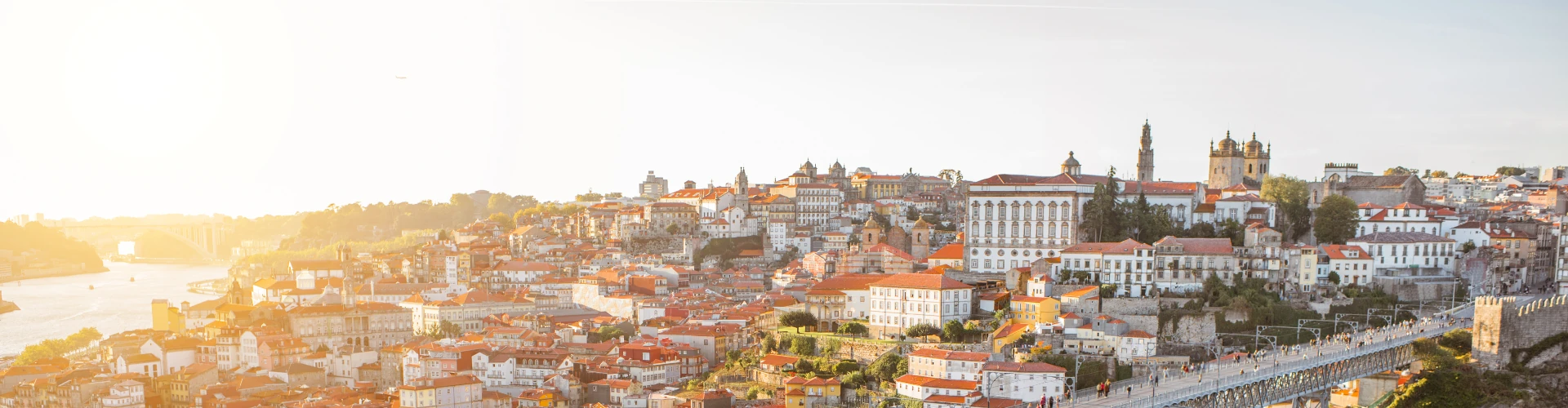
Porto’s property market is shaped by a compact historic centre, varied building periods, extensive urban rehabilitation, and a topography closely connected with the Douro River. Although property transactions are governed by the Portuguese national legal framework, local conditions are influenced by building age, construction type, slope, accessibility, and neighbourhood scale.
Parts of the city centre contain nineteenth- and early twentieth-century buildings, including many structures using granite masonry and narrow vertical layouts. Rehabilitation has substantially changed parts of the central housing stock, although the extent and quality of works vary considerably between individual buildings.

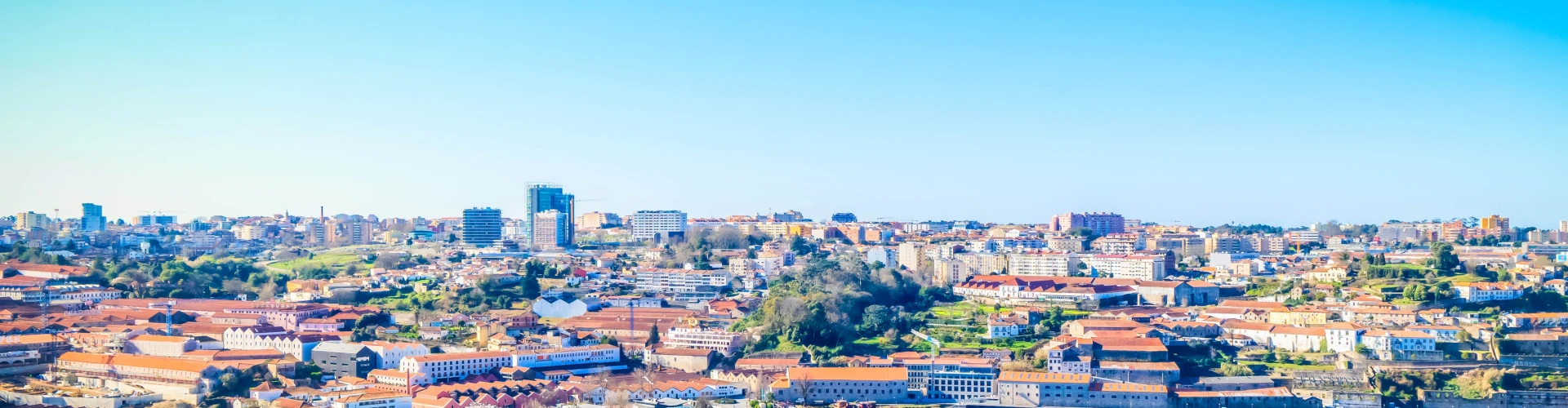
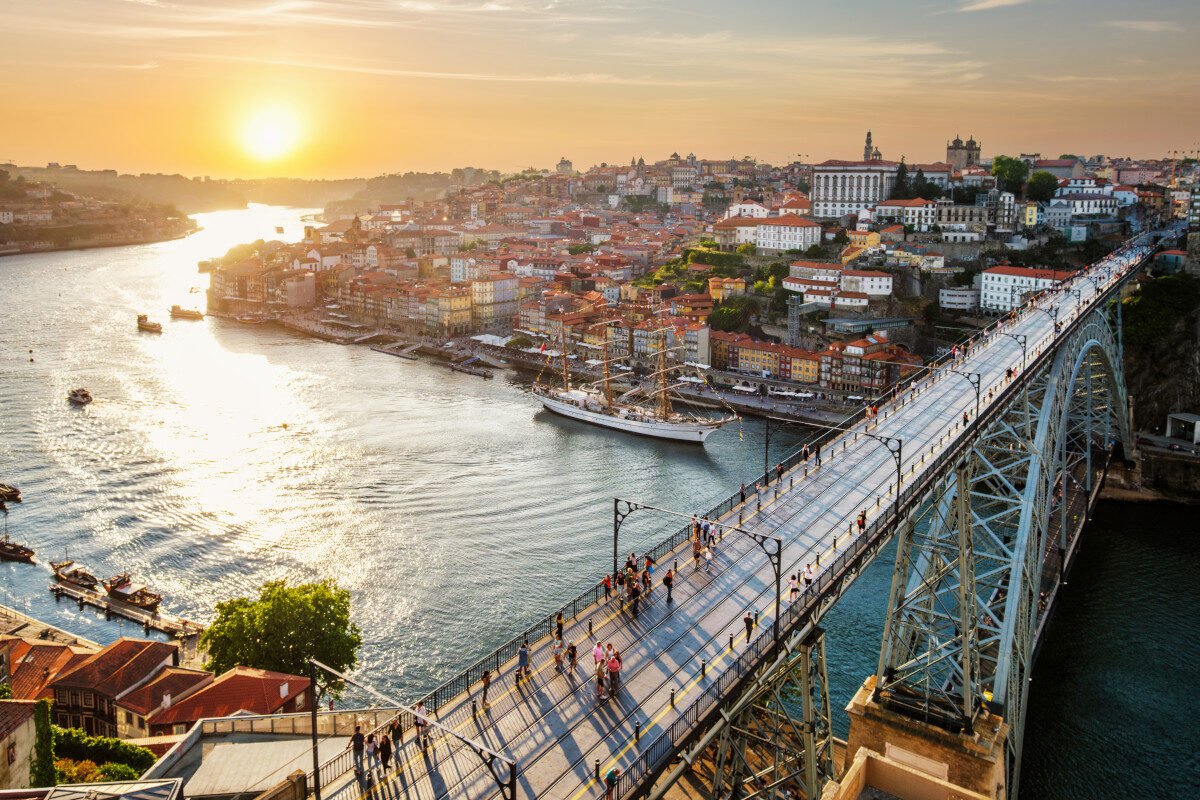
Beyond the historic core, Porto expands into residential districts with mid-twentieth-century apartment buildings, more recent developments, and lower-density housing. Vila Nova de Gaia, directly across the Douro, forms part of the wider metropolitan context while maintaining its own property, planning, transport, and neighbourhood characteristics.
Topography has practical consequences in Porto. Elevation, gradient, street width, and orientation can influence access, sunlight, views, parking, and the relationship between street level and individual floors within a building.
These characteristics mean that properties located relatively close to one another can differ materially in construction, accessibility, building condition, outlook, and day-to-day usability.
Types of properties commonly found in Porto
Porto’s residential landscape reflects successive periods of construction, adaptation, expansion, and rehabilitation. Building width, structural systems, façade materials, internal circulation, and relationship with the surrounding terrain can differ considerably between areas.
Historic granite buildings in the city centre
Parts of central Porto contain narrow, multi-storey buildings incorporating granite masonry, including properties dating from the nineteenth century or earlier. Internal layouts are often vertical, with staircases connecting relatively compact floor plates.
Construction and present condition vary significantly between individual buildings. Some have undergone extensive structural rehabilitation and replacement of utilities, while others have received more limited or staged interventions. Lifts are also absent from many older multi-storey properties.
Rehabilitated buildings and converted units
Urban rehabilitation has resulted in the adaptation of many former residential, commercial, or mixed-use buildings into updated residential units. In some cases, the original façade or parts of the existing structure have been retained while the internal layout and building systems have been substantially altered.
The scope of rehabilitation can differ considerably. Structural reinforcement, roofing, insulation, glazing, plumbing, electrical systems, drainage, and common areas may have been treated to different degrees even where the interior appears recently renovated.
Mid-twentieth-century apartment blocks
Outside the historic centre, Porto contains substantial residential areas developed during the twentieth century. These buildings often have different layouts and circulation patterns from the narrower structures found in older central streets.
Façade condition, roofing, lifts, glazing, energy performance, parking, common areas, and condominium arrangements vary according to the original project, construction period, subsequent works, and individual building.
Contemporary developments and suburban housing
More recent residential projects can be found in different parts of Porto and neighbouring municipalities, including locations closer to the Atlantic coast and areas undergoing redevelopment.
Depending on the development, properties may include underground parking, lifts, contemporary building systems, improved energy performance, balconies or terraces, and more formalised condominium management.
Detached and semi-detached houses are more commonly encountered in lower-density areas of the wider metropolitan region than within the compact historic centre.
Price structure and local market patterns
Property values in Porto can vary significantly over relatively short distances. River outlook, elevation, street orientation, access, building condition, renovation history, parking, outdoor space, and neighbourhood characteristics can all contribute to differences between otherwise comparable properties.
Properties in the historic centre or with open views towards the Douro may occupy a different market segment from units of similar size in more residential or less elevated areas. The extent and quality of rehabilitation can also affect pricing, particularly where structural work and building infrastructure have been comprehensively addressed.
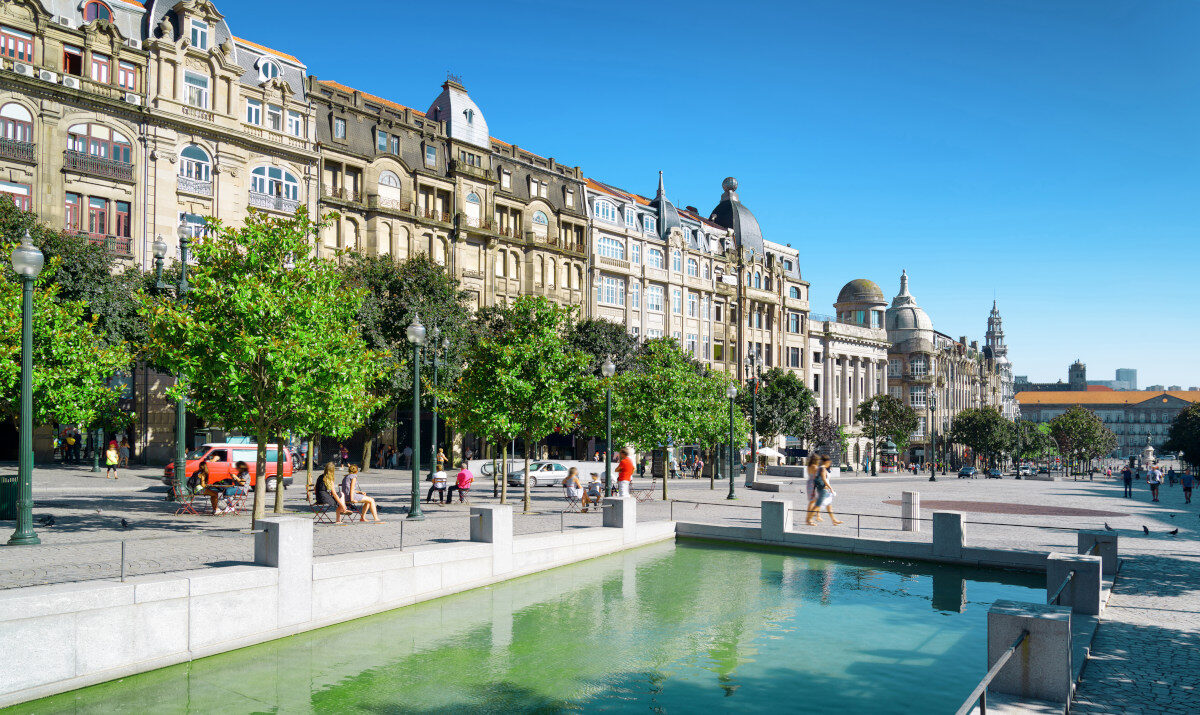
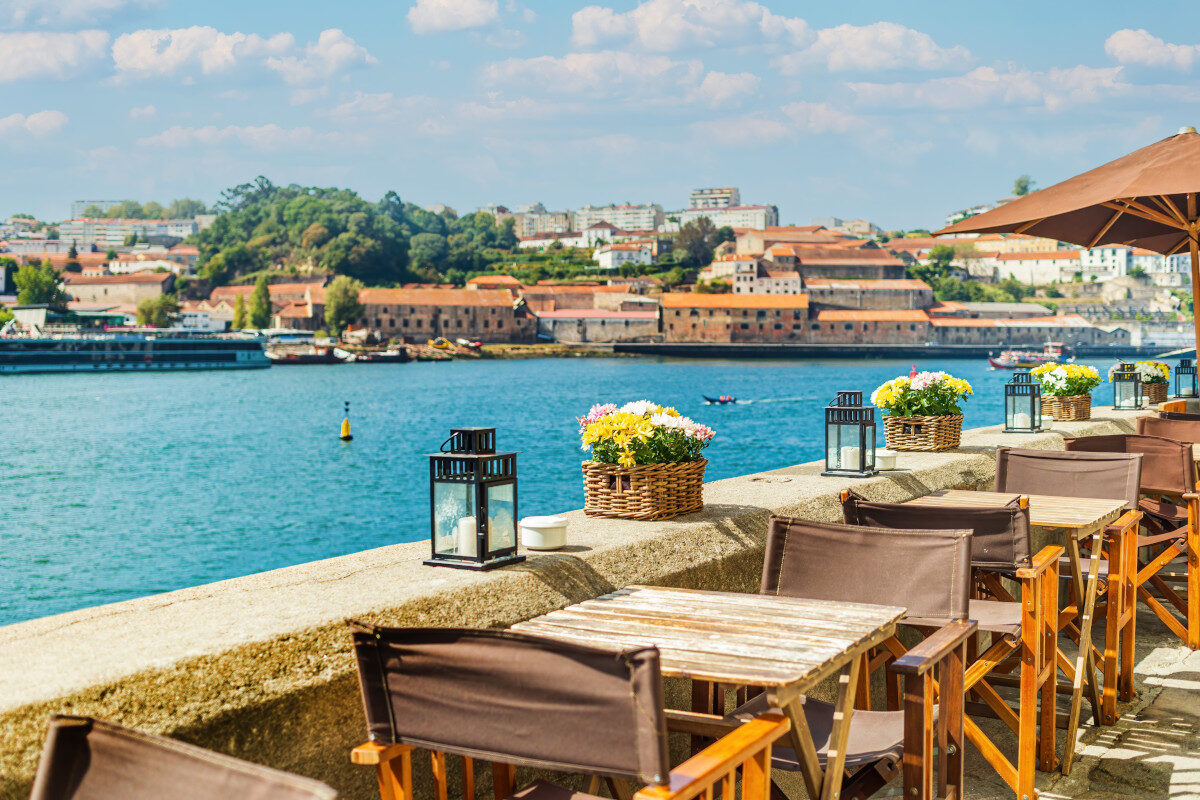
Vila Nova de Gaia illustrates how proximity alone does not create a single property market. Areas across the river can differ in transport access, river frontage, development stage, building type, local services, and municipal context despite their physical closeness to central Porto.
Outside the historic core, mid-century residential districts and more recent developments provide a broader mix of apartment sizes, parking arrangements, lifts, condominium structures, and energy characteristics.
Porto’s terrain also means that slope, elevation, façade orientation, street width, and access arrangements can affect both daily use and the way an individual property relates to its surroundings.
Key risks and practical considerations in Porto
Porto’s historic construction, rehabilitation activity, classified urban areas, Atlantic exposure, and pronounced topography create property-specific considerations in addition to the national legal framework.
Structural rehabilitation and granite construction
Granite masonry is present in many older buildings in central Porto, but construction systems and structural condition vary substantially between properties.
Interventions in older masonry buildings can involve particular technical considerations relating to structural elements, floors, roofs, insulation, ventilation, utilities, and the interaction between historic materials and later alterations.
A recently renovated interior does not necessarily indicate that the structure, roofing, shared areas, drainage, plumbing, electrical systems, or other parts of the building have undergone the same level of intervention.
Humidity and exposure
Porto’s Atlantic climate, rainfall, orientation, topography, and proximity to the Douro can affect environmental exposure, although moisture conditions vary considerably between individual buildings and locations.
Façade condition, roof maintenance, glazing, ventilation, insulation, drainage, orientation, sun exposure, and the quality of previous rehabilitation can all influence moisture management and indoor comfort.
Historic centre and planning restrictions
Parts of central Porto are subject to heritage protection, urban planning rules, and other constraints associated with classified or historically significant areas.
Depending on the location and building, alterations to façades, roofs, structural elements, openings, external equipment, or other features may be subject to specific planning, heritage, or municipal requirements.
The degree of flexibility available for future works can therefore differ between properties even within the same part of the city.
Topography and accessibility
Porto’s slopes and uneven terrain can influence pedestrian access, vehicle access, parking, building entrances, and the relationship between floors and street level.
In some buildings, a level that appears close to street level on one façade may correspond to a substantially different height on another because of the gradient.
Introducing or altering a lift in an older building can involve structural, technical, condominium, accessibility, regulatory, and, in some areas, heritage considerations.
Condominium organisation
Apartment ownership normally includes rights and obligations connected with the building’s common parts. Administrative organisation, maintenance history, financial reserves, documentation, and planned works can differ considerably between condominiums.
Meeting minutes, accounts, reserve information, approved works, shared obligations, and decisions affecting common areas can therefore provide relevant context about the building beyond the condition of the individual unit.
How Porto properties may be used
Properties in Porto can serve different residential and investment purposes, and the characteristics that matter most depend on the intended use rather than on a single buyer profile.
Primary residence
Where a property is intended as a full-time home, proximity to employment areas, public transport, healthcare, education, shops, and other everyday services can be particularly relevant.
Accessibility, building condition, noise, parking, natural light, heating and cooling, storage, and year-round neighbourhood functionality can also materially affect suitability for continuous occupation.
Property purchase connected with relocation
A property purchase may form part of a wider move to Portugal, in which housing interacts with separate questions concerning residence status, taxation, employment, healthcare, education, and financial arrangements.
Property ownership and Portuguese residence rights are separate legal matters. Where a purchase forms part of a broader relocation, the main Moving to Portugal overview explains the wider administrative and practical context independently of the property transaction itself.
Long-term rental and investment use
Porto’s universities, employment areas, transport corridors, and established residential districts contribute to different patterns of long-term housing demand across the city and surrounding municipalities.
Where a property is intended for rental or another investment purpose, factors such as location, transport, property configuration, building condition, maintenance costs, condominium arrangements, and the applicable legal and tax framework can become relevant.
Readers considering property within a broader investment strategy can find additional context in the guide to investing in Portugal.
Second-home and flexible use
A property may initially serve as a second home while retaining the possibility of later becoming a primary residence or serving another permitted use.
Different uses can place different emphasis on maintenance, accessibility, storage, parking, outdoor space, condominium costs, local services, transport connections, and the management of the property when it is not continuously occupied.
How the national buying process applies in Porto
Porto’s architectural and urban characteristics do not create a separate property acquisition system. Transactions remain subject to the Portuguese legal framework governing property ownership and transfer.
Depending on the transaction, the process may involve negotiation or an offer, a promissory purchase and sale agreement (Contrato-Promessa de Compra e Venda or CPCV), completion through the legally applicable instrument, payment of relevant taxes and charges, and registration of ownership. Not every transaction follows an identical sequence or uses every intermediate step.
Porto-specific issues can arise in relation to historic classification, municipal licensing history, rehabilitation works, condominium records, building documentation, and the relationship between the physical property and official records.
Some taxation and registration rules arise under national law, while municipal planning rules, property-specific circumstances, and certain locally determined elements can also affect the overall transaction and subsequent ownership position.
Tax identification can also form part of the administrative context of a property transaction. A Portuguese NIF may be necessary or requested in connection with property, taxation, and related procedures depending on the transaction and circumstances.
For a detailed explanation of the national purchase framework, including contracts, taxation and registration, see Buying a House in Portugal.
Working with professionals in Porto
A property transaction in Porto may involve different professionals depending on the property, legal circumstances, financing structure, and scope of any technical analysis. These can include real estate agents, lawyers, notaries or other authorised professionals, financial institutions, tax professionals, architects, engineers, or surveyors where relevant.
Historic construction, rehabilitation history, granite masonry, planning restrictions, licensing records, condominium documentation, roofing, structural alterations, and the physical condition of the building can create separate legal, administrative, and technical questions.
Portugal Vista provides general information and, where relevant, may connect readers with qualified independent professionals. Professional services are provided directly by the relevant professional according to their field and the circumstances of the transaction.
Frequently Asked Questions
Is buying property in Porto legally different from buying elsewhere in Portugal?
The Portuguese national framework for property acquisition also applies in Porto. Local differences arise primarily from the characteristics of individual properties and locations, including historic construction, rehabilitation history, condominium records, municipal licensing, heritage constraints, and building documentation. The wider acquisition process is explained in Buying a House in Portugal.
What should I know about buying an apartment in a historic Porto building?
Historic properties can differ considerably in structural system, internal layout, roofing, utilities, common areas, accessibility, and rehabilitation history. Narrow floor plans, stairs, older construction elements, and the absence of a lift can also have practical significance in some central buildings.
Are older Porto buildings usually made of granite?
Granite masonry is a characteristic of many older buildings in Porto, particularly in parts of the historic city, but it should not be assumed for every property. Construction methods also vary within individual buildings and can reflect later alterations, structural interventions, and different periods of development.
Does a recently renovated Porto apartment mean the whole building has been rehabilitated?
No. An apartment interior can have been renovated without equivalent work having been carried out on the structure, roof, façade, drainage, utilities, common areas, or other parts of the building. The scope and timing of rehabilitation can therefore differ substantially between the individual unit and the building as a whole.
Can humidity be an issue in Porto properties?
Moisture conditions can occur in individual properties, but they should not be assumed solely because a building is in Porto or close to the Douro. Atlantic exposure, rainfall, orientation, ventilation, roof and façade condition, glazing, insulation, drainage, sun exposure, and previous building works can all influence how an individual property performs.
Can historic-area rules restrict renovations in central Porto?
Yes. Depending on the building and location, heritage protection, municipal planning rules, and other applicable restrictions can affect alterations to façades, roofs, openings, structural elements, external equipment, or other features. The applicable constraints are property- and location-specific.
Does Porto’s topography matter when choosing a property?
It can have substantial practical consequences. Gradient and elevation can affect pedestrian and vehicle access, parking, sunlight, views, building entrances, and the relationship between individual floors and street level. These conditions can change significantly within relatively short distances.
How important is the condominium when buying an apartment in Porto?
The condominium can be an important part of the ownership context because maintenance of common areas, roofs, façades, lifts, structural works, financial reserves, approved projects, and shared obligations can affect individual owners. Administrative organisation and financial circumstances vary between buildings.
Is buying in Vila Nova de Gaia the same as buying in Porto?
No. Vila Nova de Gaia and Porto are separate municipalities, even though their urban areas are closely connected across the Douro. Property characteristics, municipal planning, neighbourhood context, transport, development patterns, services, and local market conditions can therefore differ between locations on the two sides of the river.
Can I buy a Porto property as part of a relocation to Portugal?
Yes, but property acquisition and residence rights are separate matters. A move to Portugal can involve residence status, taxation, healthcare, employment, education, and other administrative considerations independently of the property purchase. The broader relocation context is covered in Moving to Portugal.
Can a Porto property be used for long-term rental or investment?
A property can form part of a rental or wider investment strategy where the relevant legal, tax, contractual, property, and other applicable requirements are met. Location, transport, property configuration, building condition, condominium costs, maintenance, and intended use can all affect the investment context. Broader considerations are covered in Investing in Portugal.
Does buying property in Porto give me Portuguese residence rights?
No. Property ownership and residence rights are separate legal matters. Buying a house or apartment in Porto does not by itself establish a right of residence in Portugal. The applicable residence framework depends on factors such as nationality and individual circumstances.
Information for readers
This article provides general information about the Porto property market in the context of the Portuguese property framework. Property characteristics, documentation, municipal practice, transaction requirements, taxation, and other circumstances can vary between properties and may change over time.