Digital Nomad Life in Portugal: Planning Your Move and Connecting with Local Professionals
Portugal is often considered by remote professionals for its climate, connectivity, and range of lifestyle options. For those planning to live and work remotely from Portugal, practical questions usually include visa routes, housing, coworking, and everyday setup. We connect digital nomads with trusted local professionals who work in these areas.
Prefer a full overview first? Explore our complete guide to Moving to Portugal for broader context on visas, housing, healthcare, and practical arrangements.
Talk to us to be introduced to legal, housing, or concierge partners relevant to your plans.
Why Portugal Appeals to Digital Nomads
Connectivity and infrastructure. Major cities and some coastal hubs offer fibre internet, mobile coverage, and a growing range of coworking environments.
Daily life and mobility. Walkable neighbourhoods, public transport, and access to beaches or green spaces can support a flexible work routine.
Time zone and access. Portugal’s time zone works well for much of Europe and can also suit some professionals working with clients or teams in the Americas.
Regional choice. While Lisbon is the most internationally visible hub, other parts of the country may offer different cost profiles, community dynamics, and housing options.

Digital Nomad Visa (D8) and Other Options
Portugal’s Digital Nomad Visa (D8) is intended for people who earn income from abroad and wish to live in Portugal while working remotely. It includes a temporary stay route and a residence route, subject to the rules in force at the time of application.
Applicants generally need to present evidence of remote income, contracts or freelance agreements, accommodation, and health coverage. Requirements and thresholds may change, so it is important to verify current rules with AIMA (Agência para a Integração, Migrações e Asilo) or with your nearest Portuguese consulate.
Depending on your situation, other routes may also be relevant. For example, the D7 visa may apply where income is based on passive sources rather than active remote work. Our role is to connect you with qualified immigration professionals who can explain the options relevant to your case.
Best Places to Work Remotely
Location choice depends on work rhythm, budget, and whether you prefer a larger international hub or a quieter setting. Common options include:
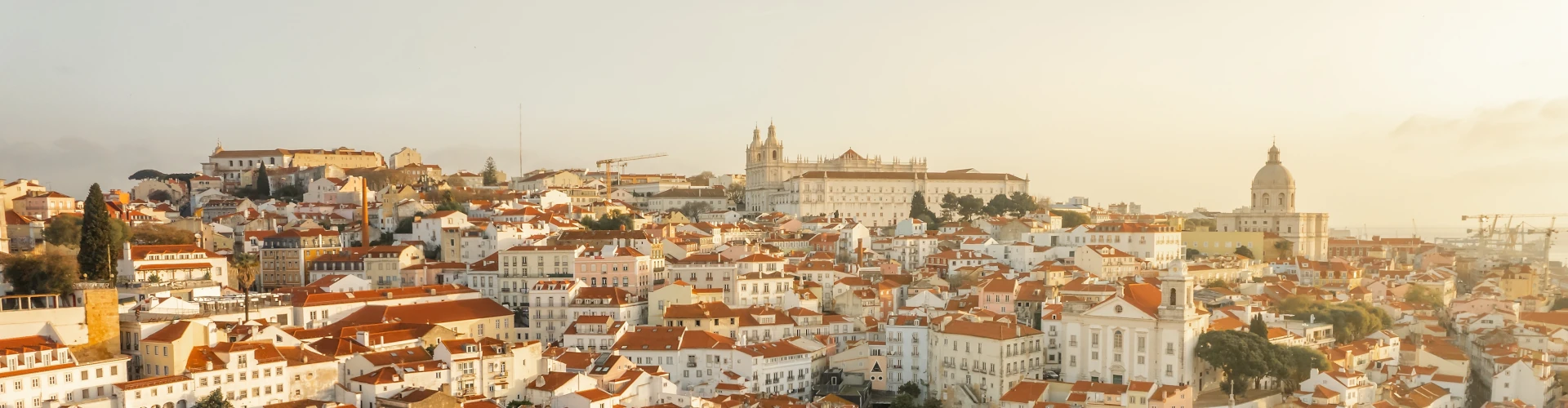
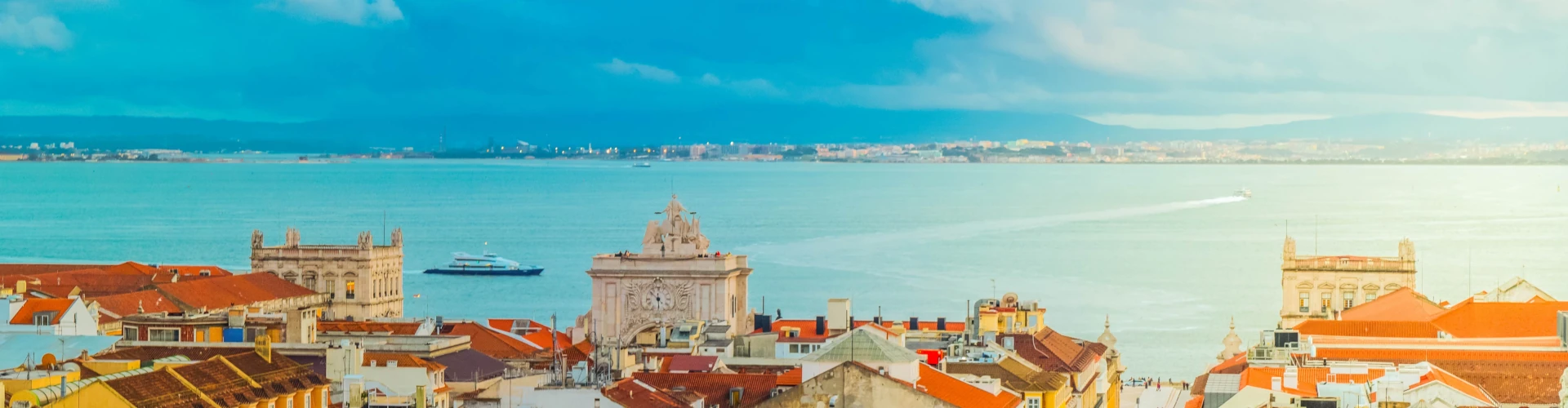
- Lisbon — broad coworking offer, international communities, and strong transport links.
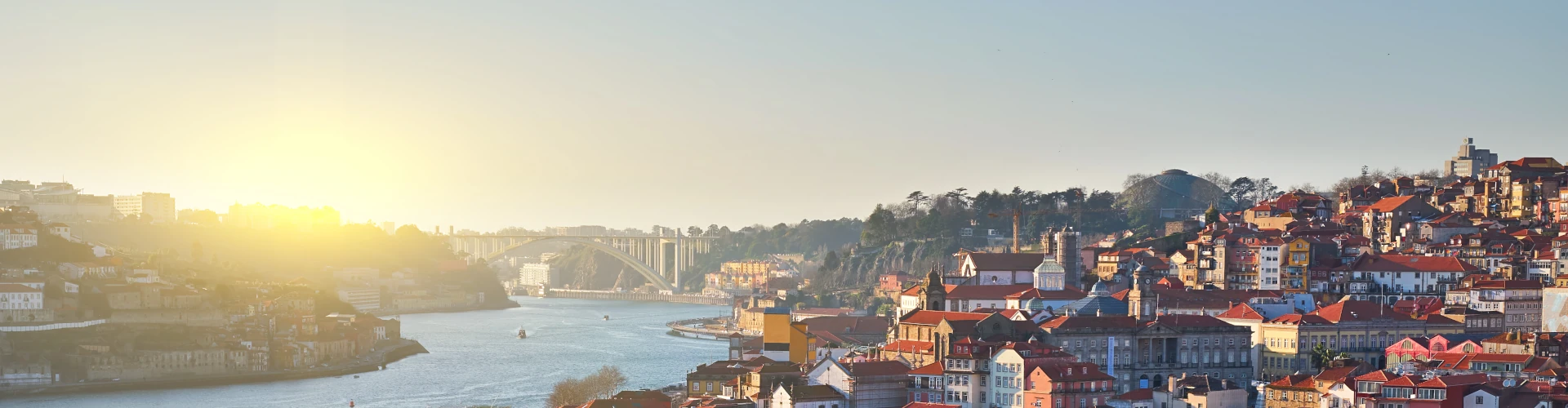
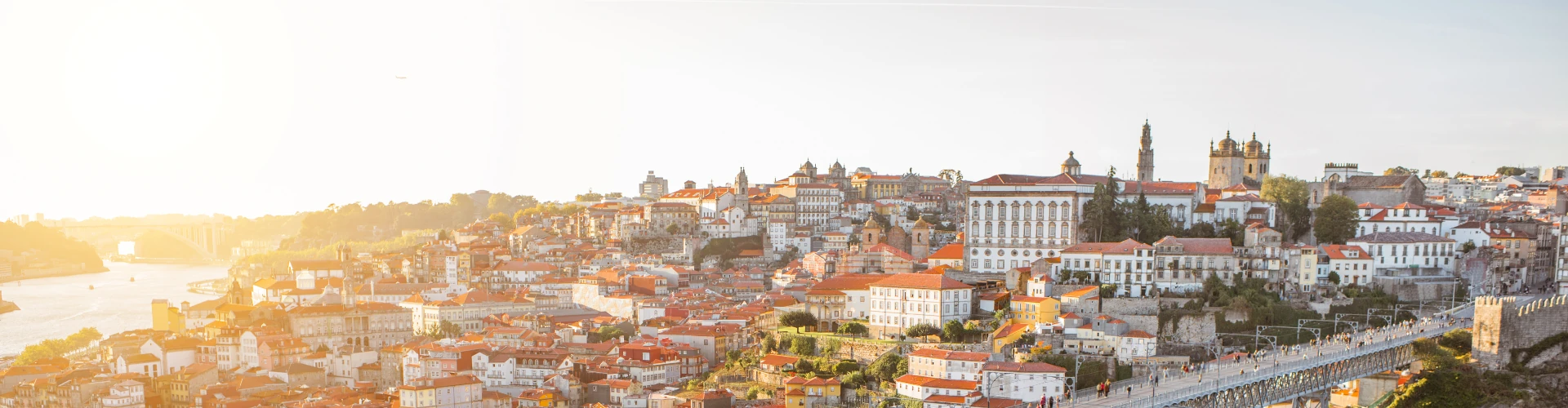
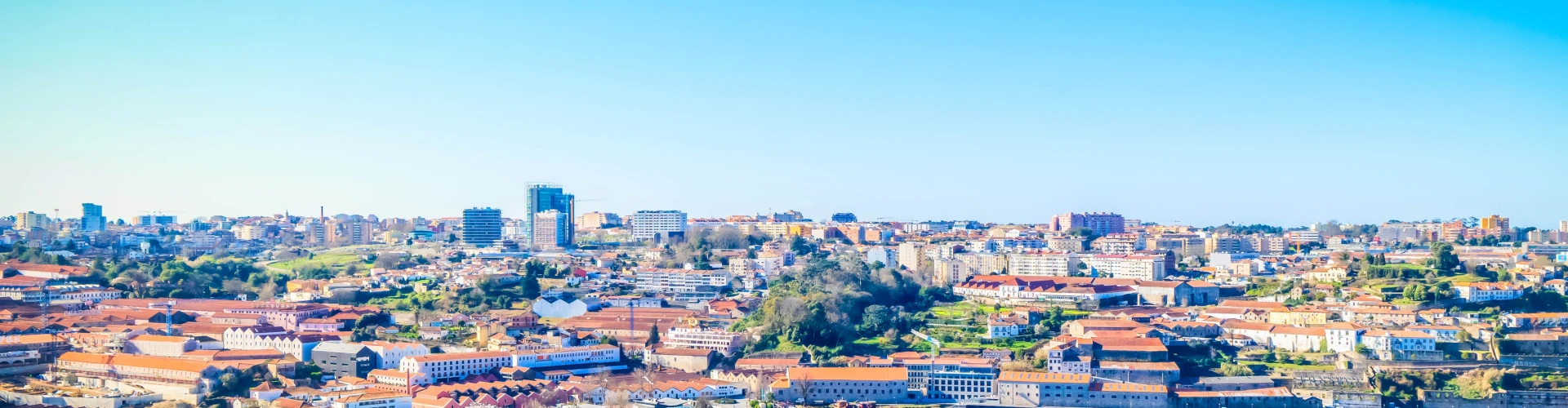
- Porto — compact urban scale, cultural life, and somewhat different housing dynamics from Lisbon.
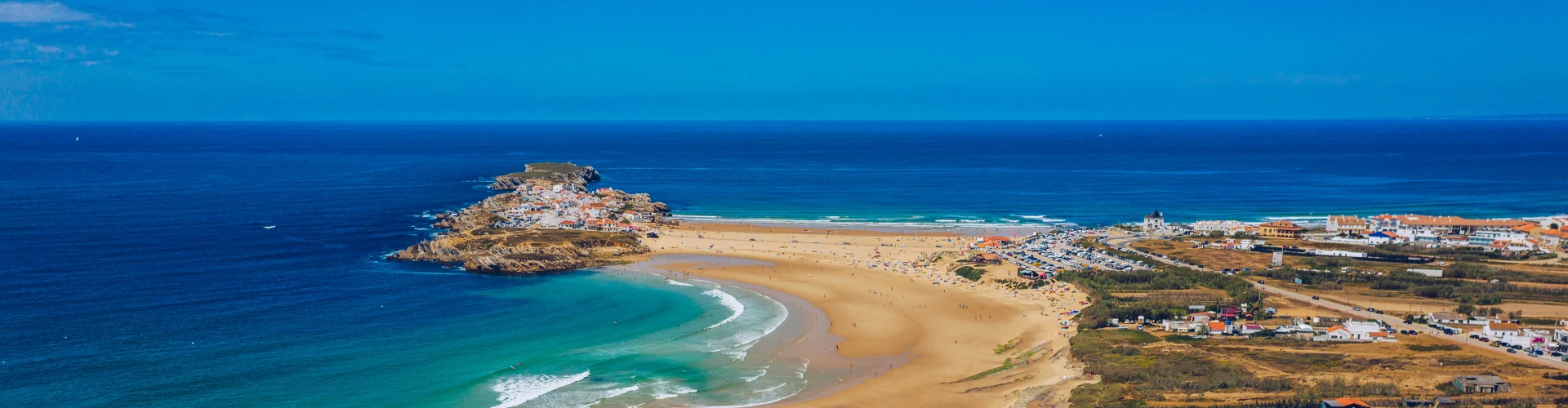
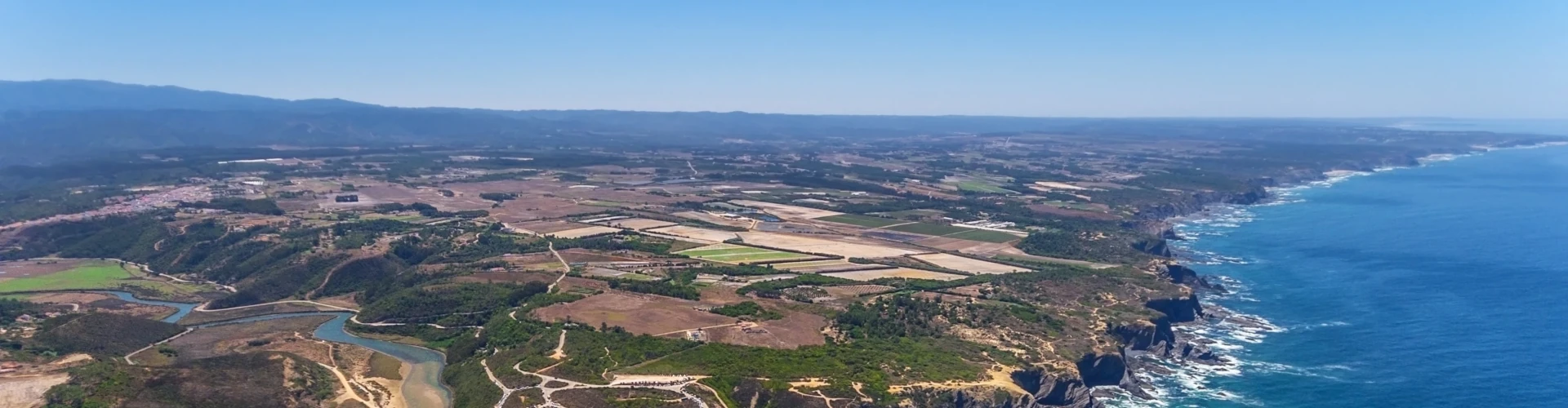
- Ericeira — coastal setting with surf culture and an established remote-work community.
- Madeira (Funchal) — island setting with mild weather and an active international profile.
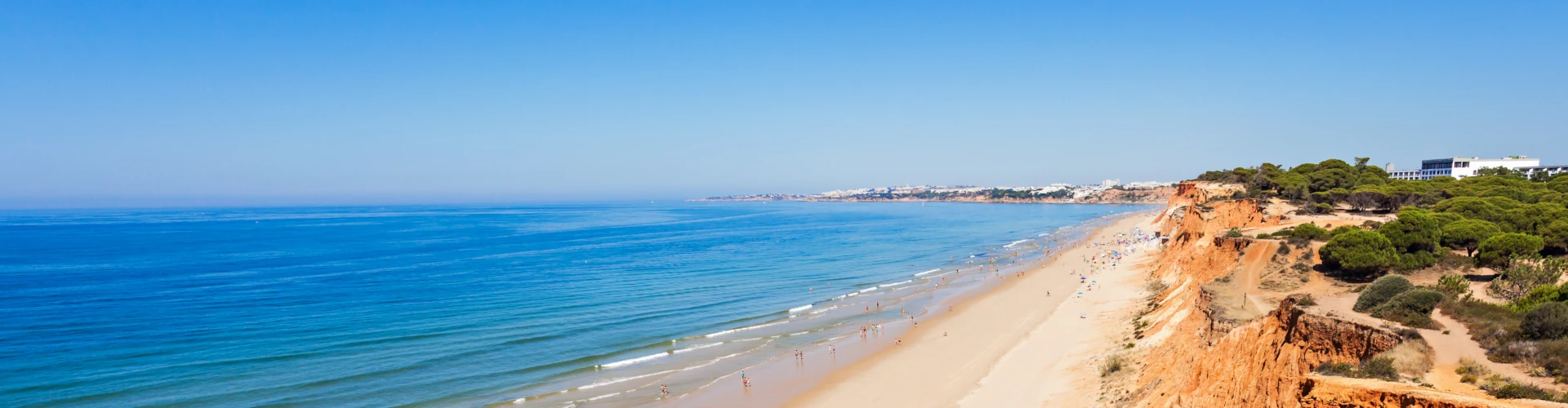
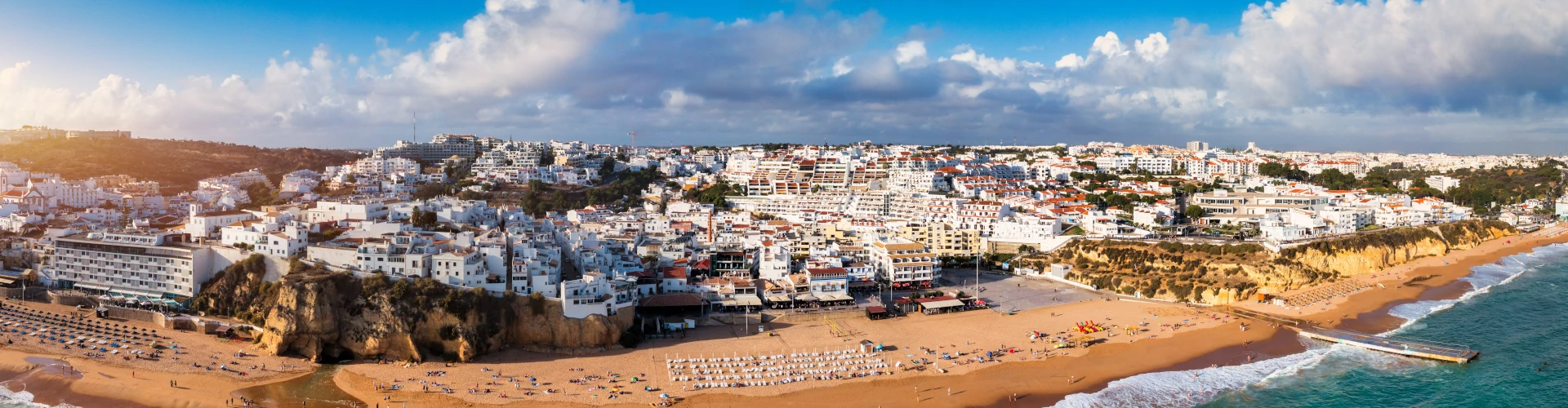
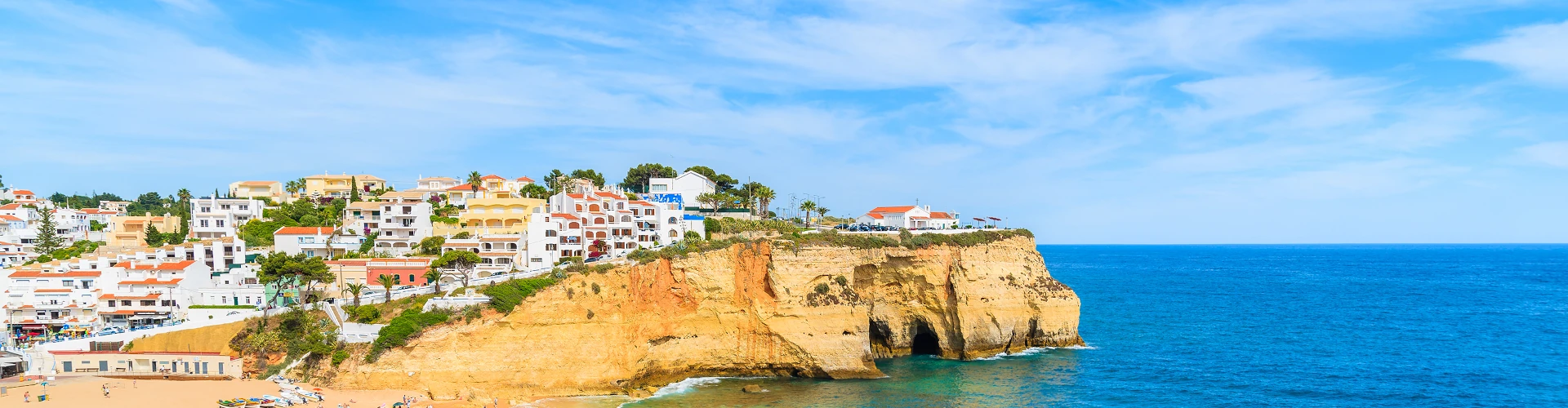
- Lagos / Faro (Algarve) — coastal lifestyle with seasonal variation and a slower pace outside peak months.
- Coimbra / Braga — university cities with services, walkability, and growing international appeal.
Coworking, Connectivity, and Daily Setup
Across Portugal, coworking options range from larger hubs to smaller independent spaces. Remote workers also often consider mobile data, neighbourhood walkability, access to cafés, and housing suited to longer stays.
Through our network, individuals can connect with partners who assist with practical setup such as mobile service, mid-term housing, utilities, banking, and healthcare registration.
Things to Plan For
Living in Portugal as a remote professional also involves practical considerations. Administrative steps and appointments may take time, rental availability varies by region, language can initially be a barrier, and tax obligations depend on residency status and income sources.
These factors do not necessarily outweigh the benefits, but they do make informed planning important.
How We Support Remote Professionals
We act as an initial point of contact, introducing remote professionals to partners who work in areas relevant to moving to Portugal.
- Introductions to immigration professionals for the D8 and other residency options
- Access to professionals who can explain location choices based on budget, lifestyle, and connectivity needs
- Connections to partners relevant to housing and practical setup
- Introductions to concierge partners for utilities, banking, and healthcare arrangements
- Follow-up to confirm that introductions have been successfully established
How It Works
- Share your plans — Use the contact form to describe your intended move, work setup, and main priorities. If needed, we may follow up by email to clarify a few details.
- Introduction to a relevant partner — Based on the information provided, we identify the legal, housing, or concierge partner most relevant to your request.
- Direct contact with the partner — Once introduced, the partner can provide services or guidance relevant to your situation. All services are provided independently by the partner.
Checklist for Digital Nomads
This is a simplified checklist. Always verify current rules with official bodies.
- Check eligibility and document requirements for the D8 Digital Nomad Visa, including income evidence, contracts, accommodation, and health coverage.
- Verify current rules with AIMA (Agência para a Integração, Migrações e Asilo) and your Portuguese consulate.
- Arrange a NIF (Portuguese tax number) and, where relevant, a bank account.
- Plan accommodation that fits your work routine and intended length of stay.
- Choose health coverage and, after residency if applicable, register with the SNS (Serviço Nacional de Saúde).
- Review mobile service, internet reliability, and coworking options in your chosen area.
- Review your tax position with guidance from AT (Autoridade Tributária e Aduaneira) or a qualified cross-border tax advisor.
Start Planning Your Move
If Portugal seems relevant to your remote lifestyle, the next step is usually to review visa options, location, housing, and practical setup.
Contact us to be introduced to professionals relevant to your move.
Frequently Asked Questions
Can I stay in Portugal as a digital nomad without a visa?
Short stays may be possible under visa-exempt entry rules, depending on nationality. For longer stays, a visa or residence permit is generally required. Current rules should be checked with AIMA or your Portuguese consulate.
How much income do I need for the D8 Digital Nomad Visa?
Income thresholds are defined by the authorities and may change over time. Current figures should be confirmed with AIMA or with your Portuguese consulate before applying.
Can I work for a non-Portuguese company while living in Portugal?
Yes. The D8 is intended for remote professionals whose income comes from outside Portugal. Immigration and tax obligations still depend on your specific situation.
Is Portugal expensive for digital nomads?
Costs depend on region, housing choice, and lifestyle. Lisbon is generally the most expensive market, while other parts of the country may offer different cost profiles.
Are coworking spaces easy to find?
In cities such as Lisbon and Porto, and in some coastal towns, coworking options are widely available. Availability and style vary by location.
Can I extend my stay or transition to residency later?
In some cases, extensions or a transition to residency may be possible, depending on the route used and the rules in force at the time. Current requirements should be verified with AIMA or with your Portuguese consulate.